






The third eye, often referred to as the sixth sense, is the gateway to true wisdom, insight, and unbeatable intuition. In spiritual yoga, by connecting with your brow chakra, you can open your third eye and experience a whole new kind of inner balance. But how exactly does this work? Is this kind of expansion of consciousness dangerous? And what does the pineal gland have to do with it?
Here's a quick overview for you:
- The third eye is symbolically located between your eyes on your forehead and governs the Ajna Chakra, one of the seven chakras according to spiritual yoga teachings
- After opening their third eye, many people report a completely new sense of self, more vivid dreams, and heightened intuition and sensitivity
- Possible exercises: meditation, yoga with inversions, journaling, self-affirmation, and self-care
- Reaching a higher level of consciousness is a subtle, long-term process that you should take your time with
- Relaxation techniques such as acupressure can help you find inner peace and ease into your daily exercises
Content
1. Opening the Third Eye—What Does That Mean?
2. Opening the Third Eye: Symptoms and Experiences
3. Are there any drawbacks to opening the third eye?
4. Opening the Third Eye: 5 Simple Exercises
5. Shakti Mat Insider Tip: Live in the Moment Thanks to Acupressure
6. Conclusion: How to Gently Open Your Third Eye
Opening the third eye—what does that mean?
If you don’t just practice athletic power yoga but are also interested in the spiritual side of things, you’ve probably come across the term “third eye” at some point. Also known as the inner eye or sixth sense, it’s usually associated with wisdom, pure insight, or intuition—and it’s said that you can open your third eye. But what exactly is behind this concept?
The Seven Chakras
In yoga, there are a total of seven so-called chakras. These are specific points that are distributed along the spine up to the crown of the head and regulate the flow of energy through your body. The root chakra, sacral chakra, navel chakra, heart chakra, and throat chakra are closely linked to your emotions, while the third eye chakra connects you to your deeper intuition and the crown chakra connects you to the spirit.
Our life energy flows through energy channels in the body—in yoga, these are called “nadis.” When all seven chakras are open, allowing your body’s own energy to flow through you unimpeded, this manifests as a vibrant sense of clarity and connection to the world. If, on the other hand, individual chakras are blocked, this can affect your emotional, mental, or physical well-being accordingly.
The Third Eye in the Ajna Chakra
The forehead chakra, known as the “Ajna Chakra” in yoga teachings, is your window to wisdom, clarity, and insight. In short: If your energy flows unimpeded through this chakra, your intuition can develop virtually without limit—your inner eye, the “Trikuti,” is wide open. It is located in the center between your eyebrows on your forehead, extends into the brain, and functions as a kind of additional sense. A blockage in the Ajna Chakra limits you to physical needs and purely factual impressions. Above all, this harms your self-perception and your creativity.
The color indigo is associated with the inner eye, or sixth chakra. The symbol of spiritual enlightenment can be found in many Indian depictions of deities; for example, the god Shiva is often depicted with an additional eye on his forehead. The straight, unclouded gaze from this eye represents the highest expansion of consciousness—a state of enlightenment in which it is possible to always recognize what is right and to defeat one’s inner demons.

Opening the Third Eye: Symptoms and Experiences
Reading about chakras and spiritual concepts is one thing—but what does it actually feel like to open the third eye? Specific yoga exercises designed to open the third eye have been practiced for many years, and many people report positive experiences during and after such meditation. But what really happens in your body when you succeed in opening your third eye?
The Positive Effects of Energy Flow
There are many different accounts of the experience of opening the third eye. In general, most people describe a more conscious awareness of their surroundings and a feeling of deep connection with their body and mind. This leads to meaningful insights, greater sensitivity, improved concentration, and self-confidence. Inner balance, a keen ability to assess others, and the capacity to make quick, correct decisions based on intuition are also considered typical symptoms after opening the third eye. Some people also experience their dreams much more vividly and can remember the details of their dreams for longer after waking up.
Scientific Perspective
Opening the third eye is not just a spiritual concept. From a scientific perspective, the expansion of consciousness during deep meditation can be explained by the activation of the pineal gland. Located in the diencephalon, the pineal gland is responsible for producing melatonin—the hormone that makes us sleepy. The pineal gland thus plays a key role in regulating our sleep-wake cycle and initiates the restful state during which our brain can process experiences.
Are there any downsides to opening the third eye?
If you’re just beginning to explore the spiritual side of yoga, you might wonder whether opening the third eye carries certain risks. After all, this involves achieving a completely different perception of your body and the world. But don’t worry: If you practice meditation or yoga exercises that promote the flow of energy through your third eye chakra, you won’t experience any sudden effects that could harm your physical or mental health.
In some cases, increased sensitivity to light has been reported, which may be associated with heightened sensitivity. Some people also describe a slight throbbing pain between their eyes or very vivid dreams following a prolonged meditation session aimed at opening the third eye. However, there is no evidence of any harmful effects on the human body or psyche.
The inner eye typically opens through a subtle, long-term process. Gentle meditation practices—without the use of mind-altering substances—improve your self-awareness and mental clarity a little more each time. For example, you can consciously ground yourself through slow breathing exercises, allowing you to anchor yourself firmly in the here and now whenever you choose.
Opening the Third Eye: 5 Simple Exercises
Armed with this background knowledge, you can finally turn your attention to the real question: How do I open my third eye? You can easily incorporate the following five exercises into your daily routine—not just on the yoga mat. This will help you gently begin the process and, step by step, move toward consistent, reliable access to deep insight and trustworthy intuition.
1. Meditation for the Inner Eye
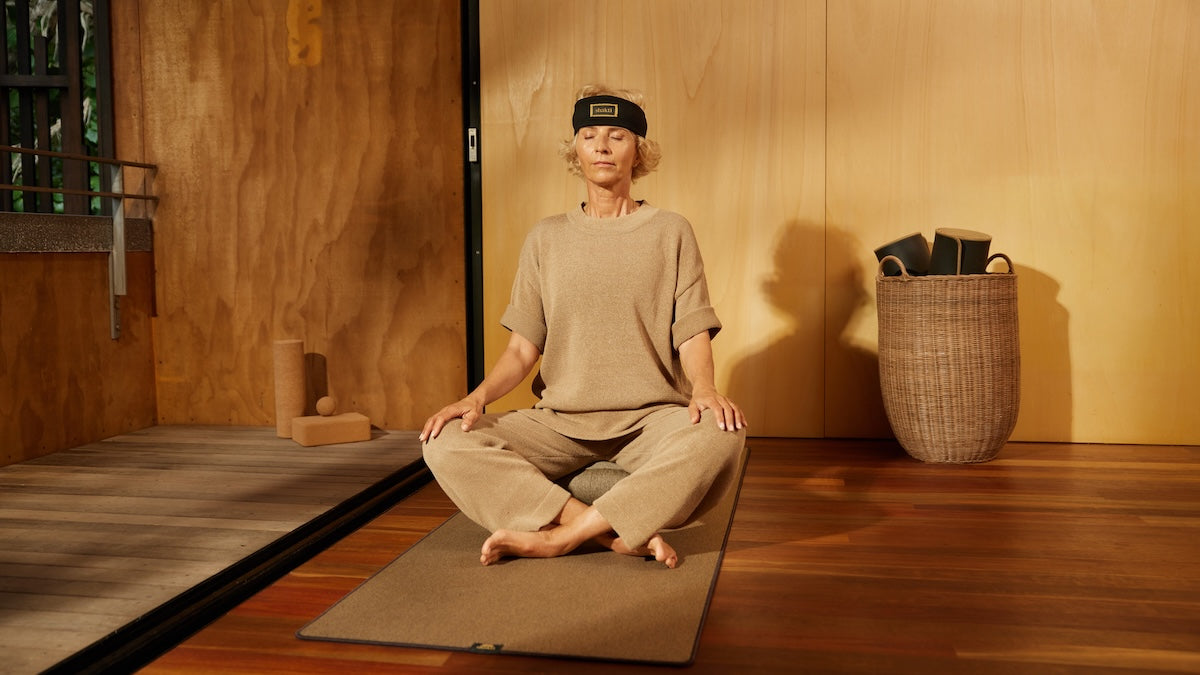
Deep, mindful meditation can help you focus on your third eye chakra and thus open your inner eye. To do this, sit upright in a comfortable position and allow your body to relax completely. Try to let all thoughts drift away. Once you feel physically and mentally relaxed, begin by imagining a point of light between your eyes. Concentrate on this light and sense the energy behind it.
Some people find it easier to start by placing a candle at a slight distance in front of them. The candle flame should be positioned just below eye level. This technique is also called “Trataka.” Observe the flame for a few minutes until the spot of light appears in your field of vision even with your eyes closed. Then turn your gaze upward, toward your forehead. To keep your facial muscles relaxed, you can raise your eyebrows and open your mouth slightly. Now, keep your eyes closed in this position and focus on the spot of light as well as the connection to the forehead chakra.
Whether you imagine your inner eye right between your eyebrows or a little higher up in the center of your forehead depends on how it feels to you. Many people automatically visualize a very specific spot and sometimes even feel a subtle pulsation in the right place. Stay in this position for a while or repeat the exercise as you feel comfortable.
2. Stimulate Your Ajna Chakra Through Yoga
Yoga exercises that are particularly effective for opening the third eye include inverted poses—that is, poses in which your head is below your heart. In most of these poses, your forehead touches the floor. This not only stimulates blood flow to the head but also helps you stay grounded during the practice.
A popular example is Child’s Pose (“Balasana”): Get into a kneeling position and lower your buttocks onto your heels. Take a few deep breaths in and out, and then slowly lower yourself forward with your arms extended in front of you until your stomach rests on your thighs and your forehead touches the floor. If needed, you can also Pillow a Pillow slightly raise the surface. However, make sure your forehead still rests below the level of your heart. Now focus on your forehead chakra—the point where your forehead touches the floor.
In this exercise, you’ll feel the connection to the ground right where your third eye is located. Keep your eyelids closed throughout. Pay attention to the pressure between your eyes and follow the flow of energy in your head. Don’t forget to keep taking calm, deep breaths. Finally, slowly return to an upright position in reverse order.
3. Find some peace with a pen and paper
A great tip—aside from meditation or yoga—is journaling. Sometimes, all it takes is a blank sheet of paper where you can write down the thoughts, feelings, ideas, or goals that are swirling around in your head. This not only calms your mind but also lets your inner voice be heard.
Whether you describe your experiences and impressions in a structured way or simply jot down your thoughts haphazardly: Be honest with yourself. Let every thought flow through you and then onto the page. Reflect on what you’re feeling right now or what you felt at a particular moment. Learn to listen to your innermost self and give shape to your silent desires or fears. This will provide you with guidance, release inner blockages, and heighten your awareness toward a deeper self-perception—the first step toward opening your inner eye.
4. Building Trust from the Gut
We all have role models who give us support and strength. A very simple everyday practice is to take time for the people who inspire us and strengthen our self-confidence. This not only fosters healthy self-esteem but can also help us get to know our inner selves and our connection to the world around us better. By the way, this also works with just your imagination: Picture in your mind having an important person by your side whom you can’t see in person. What advice would they give you? How would they encourage you in this moment?
However, our trust in ourselves is just as important as our trust in others. Make a conscious effort to pay attention to your gut feelings in everyday life. Take note of the situations in which you were able to rely on your intuition. Stick to what makes you feel good and inspires you. And even if it sounds cliché: Feel free to stand in front of the mirror every now and then and tell yourself, with complete sincerity, what you like about yourself and what you’re proud of. Honesty and self-affirmation are excellent ways to pave the way for intrinsic self-confidence and the inner peace that can open your third eye.
5. Healthy Eating, Healing Stones, and Oils
Bringing your body and mind into harmony isn't just about mental preparation. You can also foster the inner peace that helps you open your third eye through simple measures that contribute to your overall well-being. This includes, above all, a healthy diet rich in iodine and antioxidants. In addition, certain scents in your living space, such as sandalwood oil, can release unconscious tension.
Put together a selection of healthy snacks and your favorite scents, and experiment to see what feels soothing and relaxing for your body. Some people also swear by the positive effects of healing stones like amethyst or lapis lazuli, which you can easily carry with you. The main goal of this exercise is to identify the tools that work best for you in your daily life.

Shakti Mat Insider Tip: Live in the Moment Thanks to Acupressure
The key to opening your third eye, then, lies first and foremost in the ability to find inner peace and come to terms with yourself, to listen to your own feelings, and to tune into the flow of energy in your mind. Once you’ve quieted your noisy thoughts and developed a sense of subtle consciousness, you’re on the right path to harnessing your Ajna Chakra. But what if the world around you is so hectic right now that this very first step sometimes seems incredibly difficult?
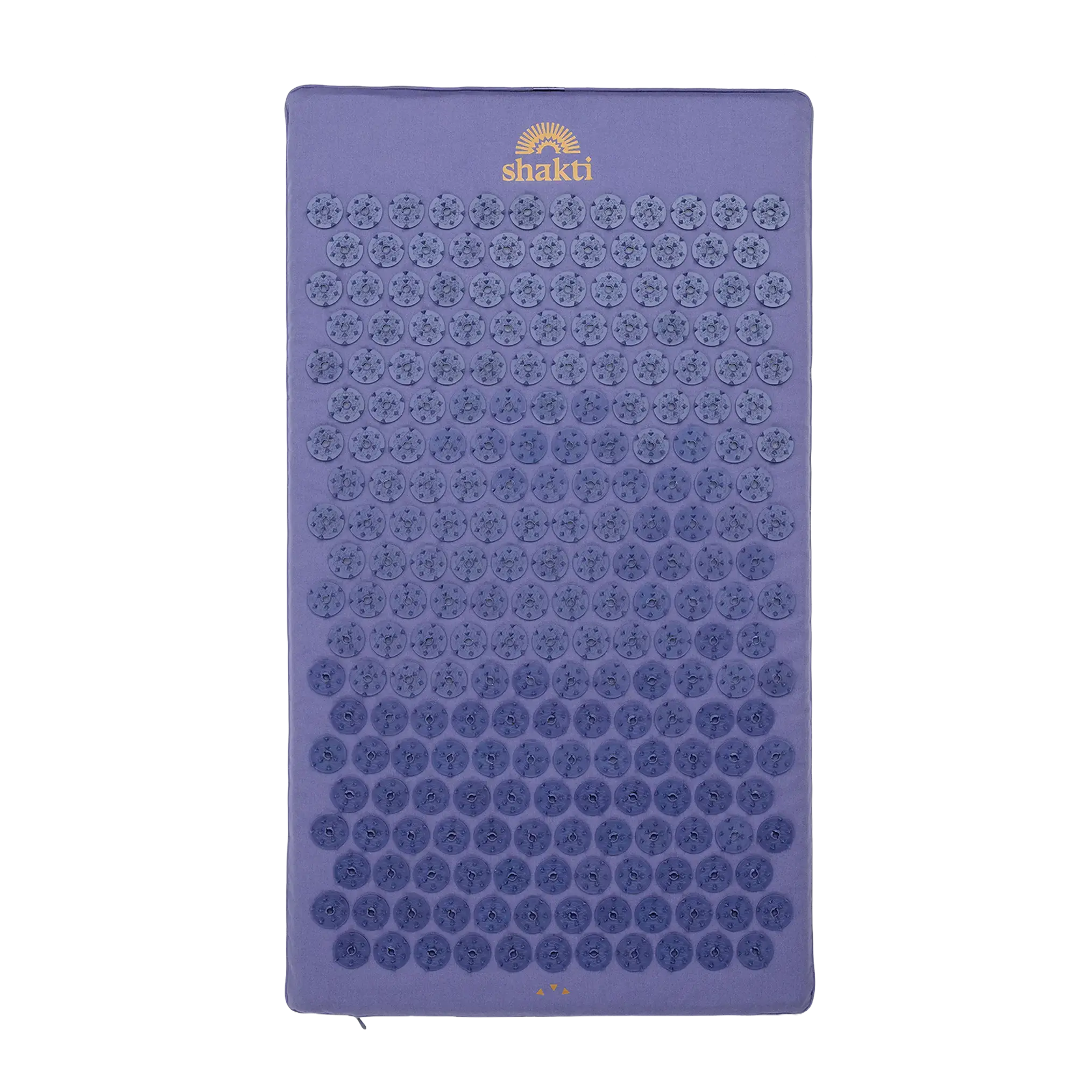
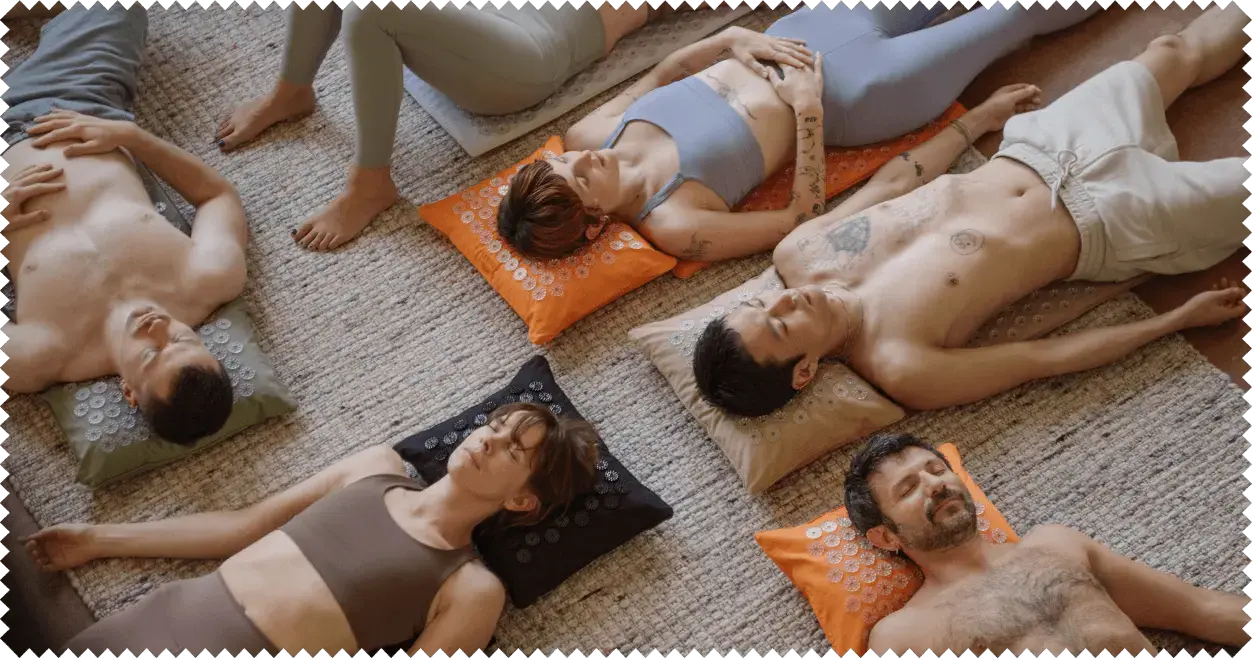
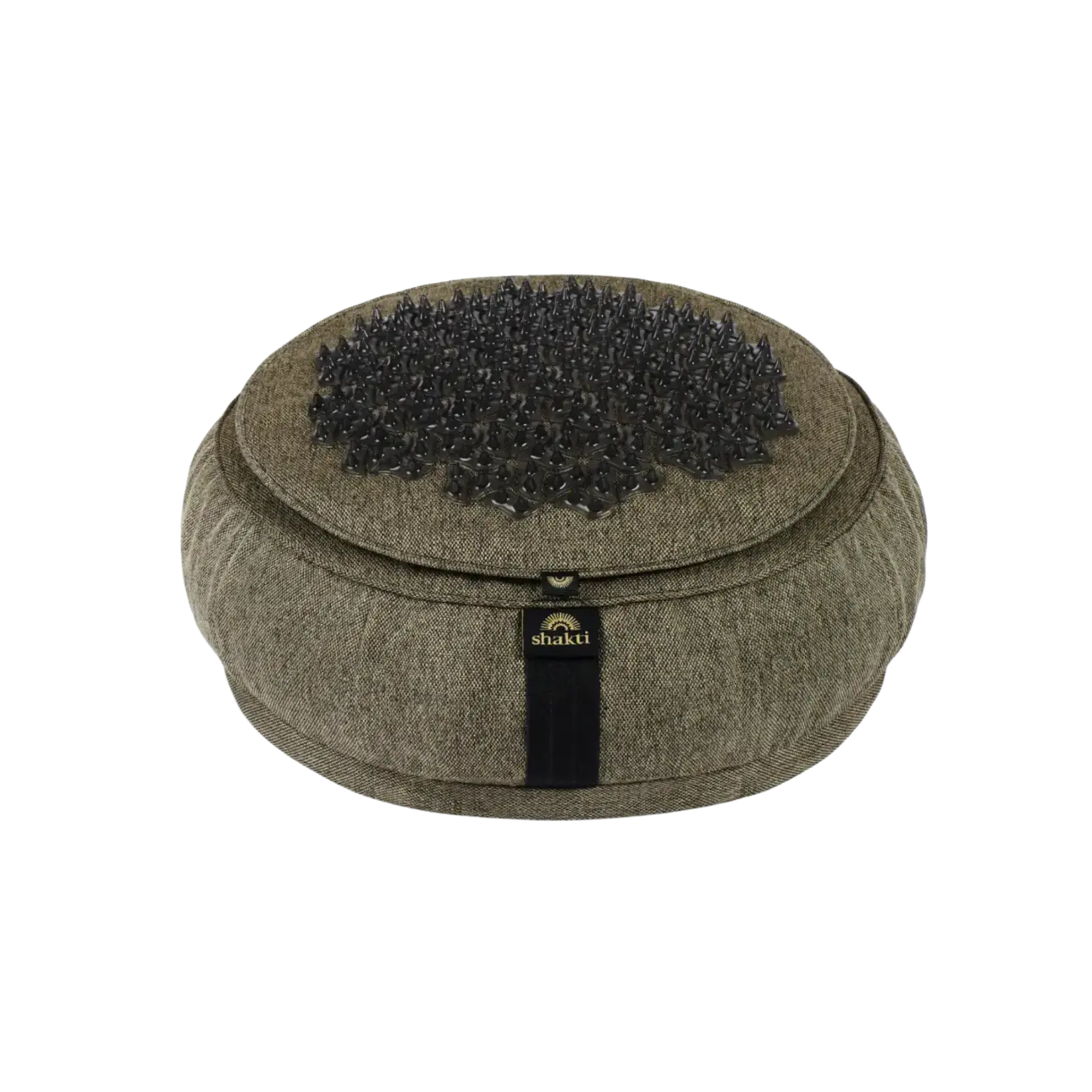
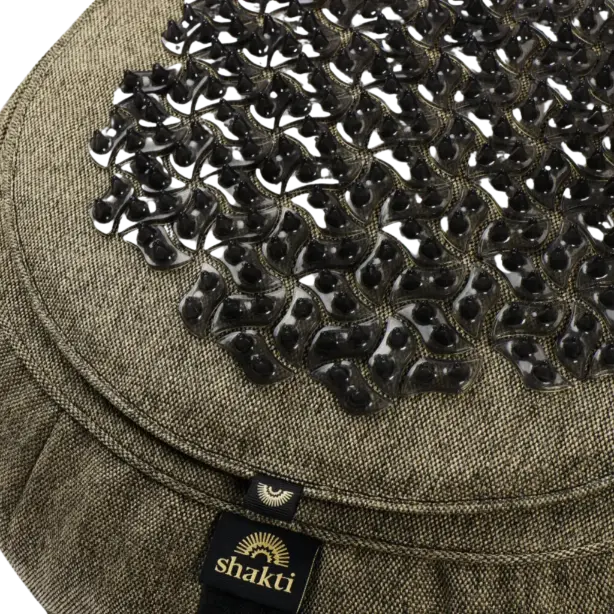
Acupressure is one of the simplest ways to help you achieve lasting, deep relaxation. This ancient Chinese technique, which dates back thousands of years, pairs perfectly with meditation or yoga exercises. The gentle pressure from the plastic spikes on the Shakti Mat acupressure mat stimulates your vagus nerve, which, among other things, controls muscle relaxation. Just a few minutes of acupressure can effectively help you achieve the inner balance you need to connect with your chakras. In this way, you can activate your body’s own energy flow and foster a mindful, deep connection with yourself.
Conclusion: Here's How to Gently Open Your Third Eye
The inner eye refers to the path to your mind through the third eye chakra—one of seven key points along the energy channels in our body in spiritual yoga. By opening the third eye, you reach a higher level of consciousness, which is associated with intuition, mental clarity, and insight. You can attain this state, for example, through deep meditation or regular mindfulness practices.
Success doesn’t happen overnight—perfecting your inner balance and finding access to this entirely new way of perceiving the world is a gentle process that takes time. Since inner balance is a crucial prerequisite for connecting with the chakras and opening the inner eye, relaxation techniques can facilitate this mental development. Meditation, yoga, and acupressure can be wonderfully combined to bring peace to both body and mind. This way, you create the ideal conditions for your spiritual self-discovery and long-lasting well-being.
