








Everyday life regularly pushes us to our limits: schedules, sensory overload, and constant pressure to perform throw our inner balance into disarray. When our minds can no longer find peace and our bodies react with painful blockages, we long for deep relaxation. Craniosacral therapy is a gentle yet deeply effective method for restoring the body’s balance. This alternative form of treatment targets the very foundation of our well-being—the nervous system.
TL;DR/The most important points at a glance:
- Craniosacral therapy is a gentle form of bodywork that releases blockages in the areas of the skull (cranium) and sacrum. It helps the parasympathetic nervous system reduce stress hormones and promote deep relaxation.
- Versatile Applications: Among other things, this method helps with sleep disorders, chronic pain, emotional stress, and restlessness in children.
- Instead of applying firm pressure, biodynamic craniosacral therapy works with the body’s subtle rhythms and self-healing powers.
- As a complementary form of self-care, natural methods such as acupressure offer ideal, straightforward support for use at home.
Content
1. What is craniosacral therapy?
2. Craniosacral Therapy: Effects and Applications
3. Acupressure as a Useful Alternative
4. Conclusion: Rediscovering Inner Peace Through Craniosacral Therapy
5. Frequently Asked Questions & Answers
What is Craniosacral Therapy?
Craniosacral therapy (also known as cranio-sacral therapy) is a form of alternative medicine that evolved from osteopathy. The name is derived from the Latin terms for skull (cranium) and sacrum. Together with the spine, these two structures form a single unit through which cerebrospinal fluid (CSF) flows rhythmically. Practitioners detect this subtle pulse with their hands. Through minimal, gentle touches on the skull, the pelvis, or along the spine, blockages and tissue tension are identified and released, thereby harmonizing the flow of energy throughout the entire body.
The practice was originally developed around 1920 by William Garner Sutherland—John E. Upledger later refined craniosacral therapy.
The Difference from Osteopathy
Although it has its roots in osteopathy, craniosacral therapy today differs significantly in its approach. While classical osteopathy mobilizes the entire musculoskeletal system, the organs, and the bony structures using targeted manual techniques, the craniosacral approach focuses specifically on the nervous system and cerebrospinal fluid. The touch is many times gentler and non-invasive, which is why the method is perceived as particularly deeply relaxing and meditative.
The Principle of Biodynamics
In modern practice, the biodynamic form of the therapy has become particularly well-established. This approach is not about mechanically “pushing away” blockages. Instead, therapists rely on what is known as “primary respiration”—a subtle, inner life force that regulates the flow of cerebrospinal fluid. The practitioner assumes a listening, supportive role. Through this mindful presence, the body is given the space it needs to activate its self-healing powers and release deep-seated trauma or tension in the tissues on its own.
Craniosacral Therapy: Effects and Applications
So what exactly does craniosacral therapy do? Since the craniosacral system is directly connected to the central nervous system, the potential effects of the treatment are extremely far-reaching. On a physical level, for example, tension, migraines, or back pain can be alleviated. But the mind also benefits enormously from craniosacral therapy sessions: the deep relaxation signals to our brain that we are completely safe. Chronic stress subsides, anxieties are gently regulated, and a sense of inner contentment spreads.
Many people unconsciously store stress and tension in the head, jaw, and neck areas in particular—areas that are often the focus of both craniosacral therapy and targeted acupressure.
Craniosacral Therapy for Sleep Disorders
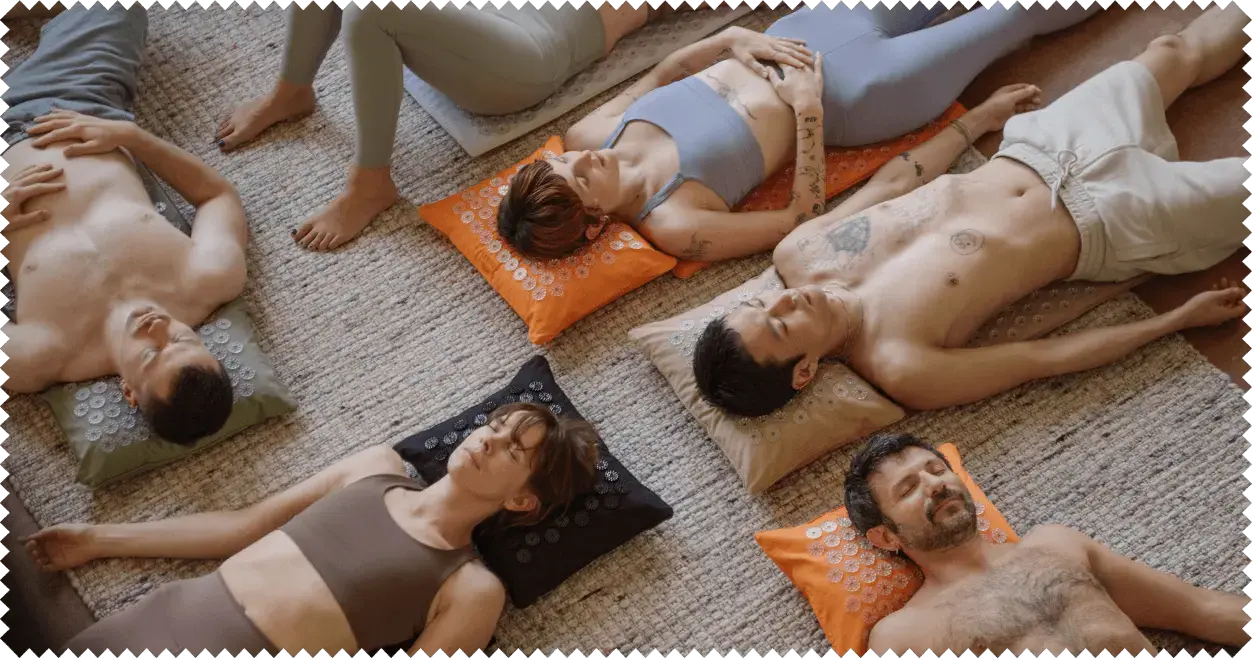
People who lie awake for hours at night and can’t stop their thoughts from racing usually suffer from an overactive nervous system. Professional craniosacral therapy helps the body switch from stressful “performance mode” (sympathetic nervous system) to “regeneration mode” (parasympathetic nervous system). The heart rate slows, the muscles relax, and sleep quality improves noticeably.
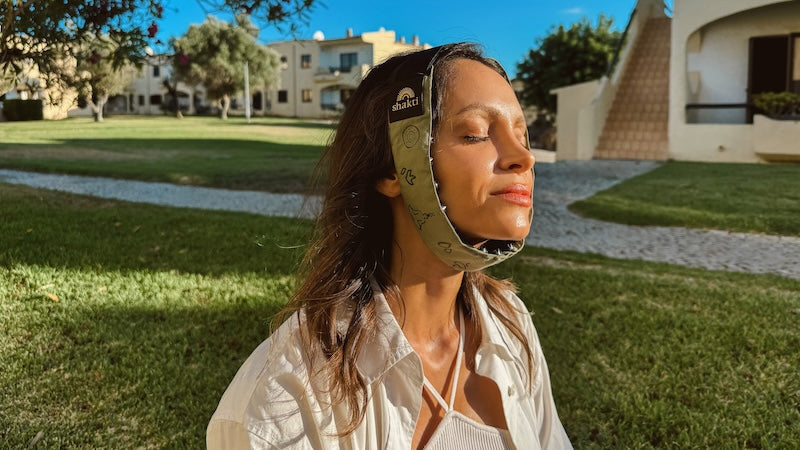
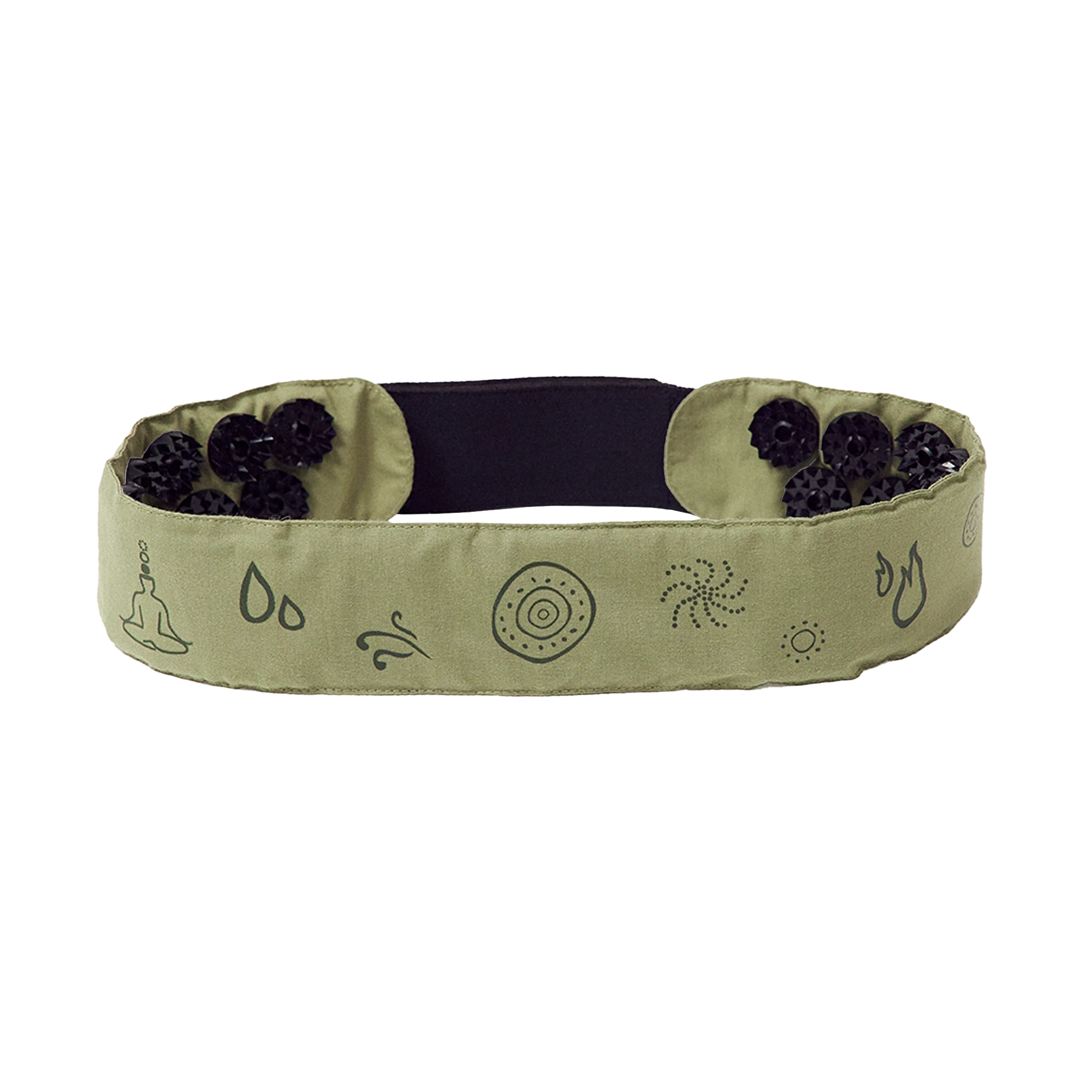
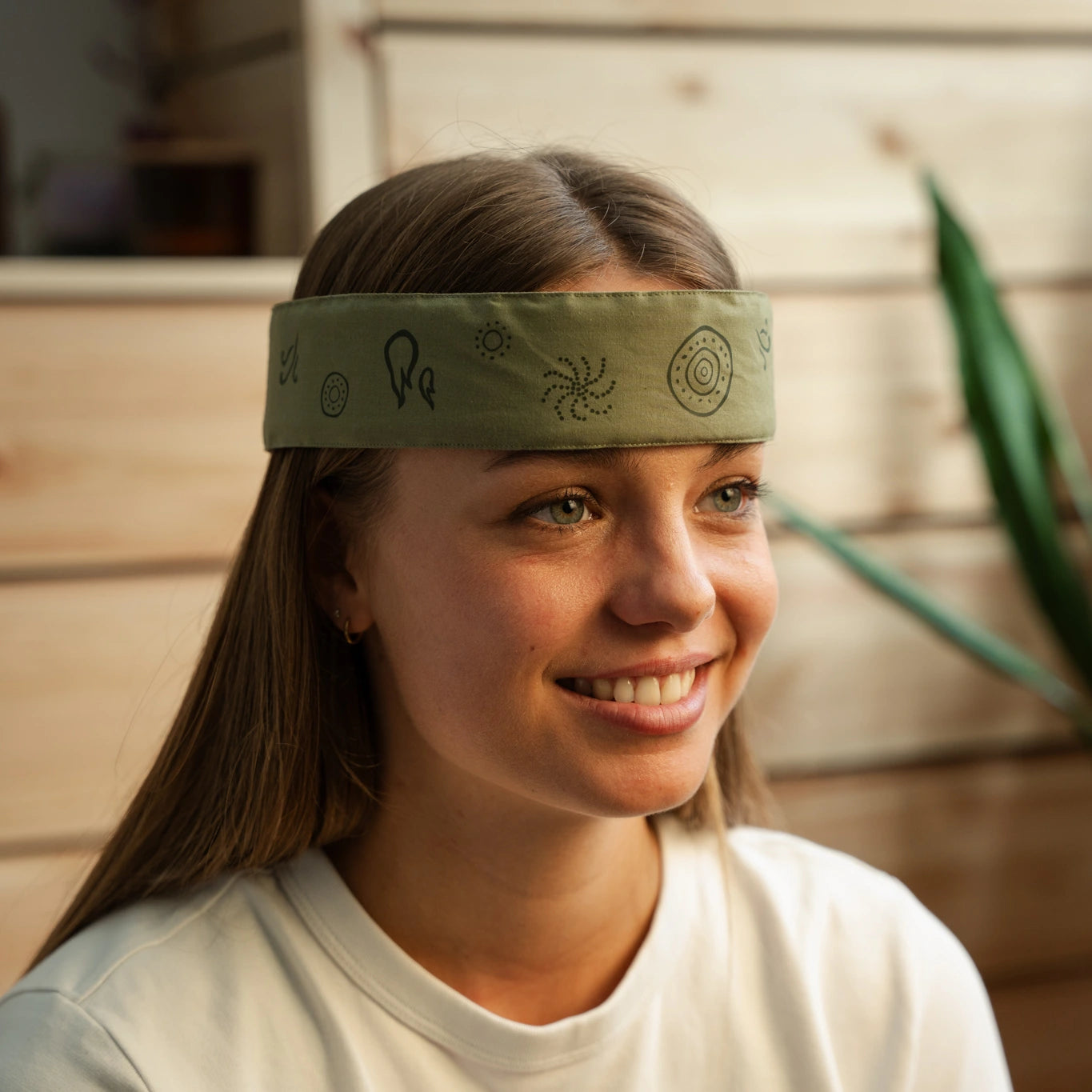
Even between therapy sessions, small rituals can help send signals of relaxation to the nervous system time and again. The Shakti headband can be worn flexibly around the forehead, jaw, or neck—exactly where stress and tension tend to build up most often in everyday life. Many people therefore use it as a soothing evening ritual or as a brief break throughout the day.
Craniosacral Therapy for Panic Attacks and Depression
In cases of psychological distress such as panic attacks, anxiety, or depressive moods, the body’s own alarm system is often permanently blocked. The subtle stimuli of the therapy soothe the emotional center of the brain. Being gently held during the session provides a deep sense of grounding and helps those affected regain trust in their own bodies.
Craniosacral Therapy for "Crying Babies"
Crying babies or infants who suffer from colic and severe restlessness have often gone through a difficult birth. The narrow birth canal can cause slight misalignments of the skull bones. Gentle therapy can gently release these tensions, allowing the baby to finally find inner relaxation and cry less often.
Help with ADHD
Children and adults with ADHD often experience constant internal sensory overload. Craniosacral therapy acts as a natural filter in this situation: It helps calm the overstimulated nervous system, bring order to the chaos in the mind, and sustainably improve the ability to concentrate in everyday life.

Acupressure as a Useful Alternative
A therapy session is a wonderful experience, but it’s not something you can just book every evening in your own living room. Anyone looking for a meaningful alternative or a complementary self-care method for everyday life will quickly discover the millennia-old art of acupressure.
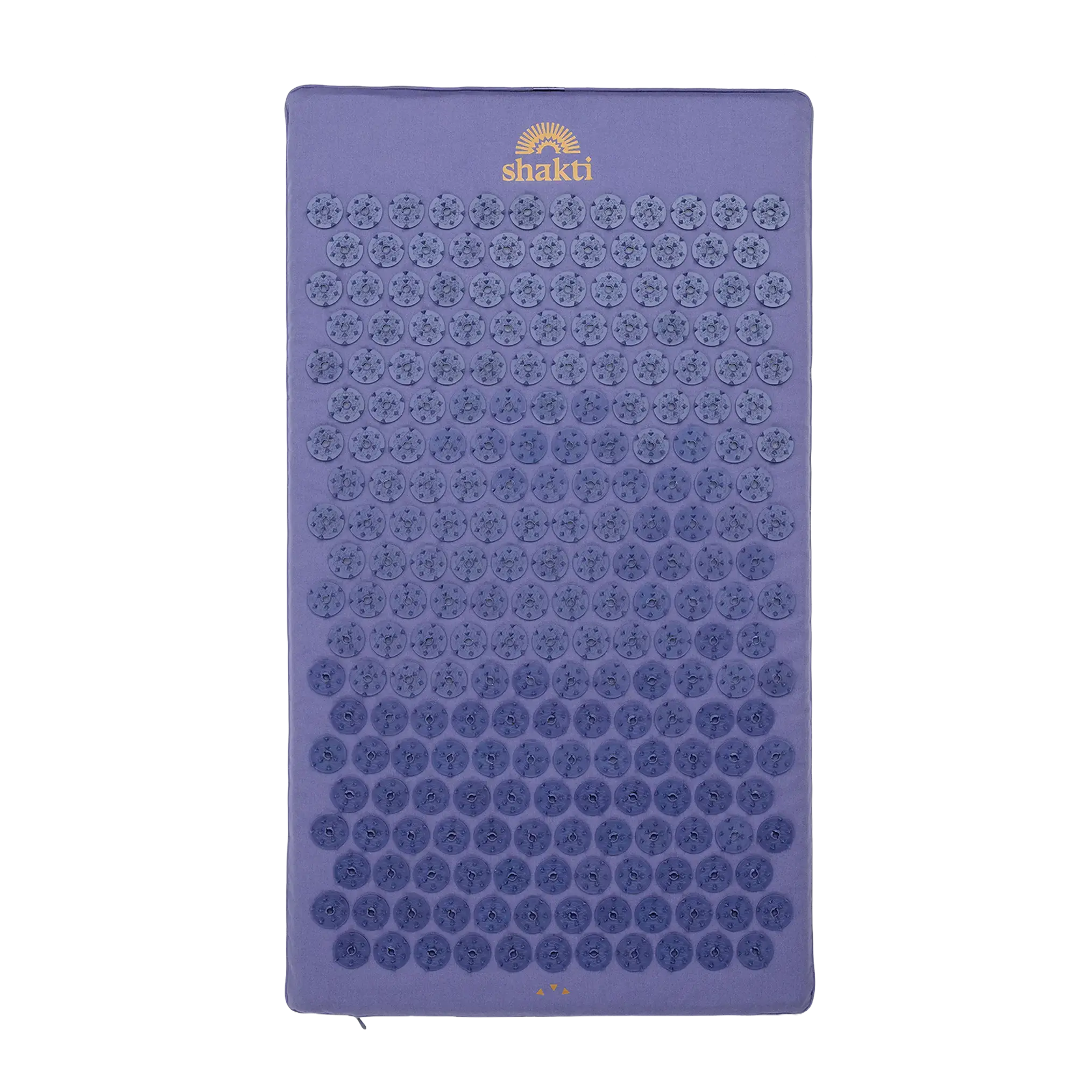
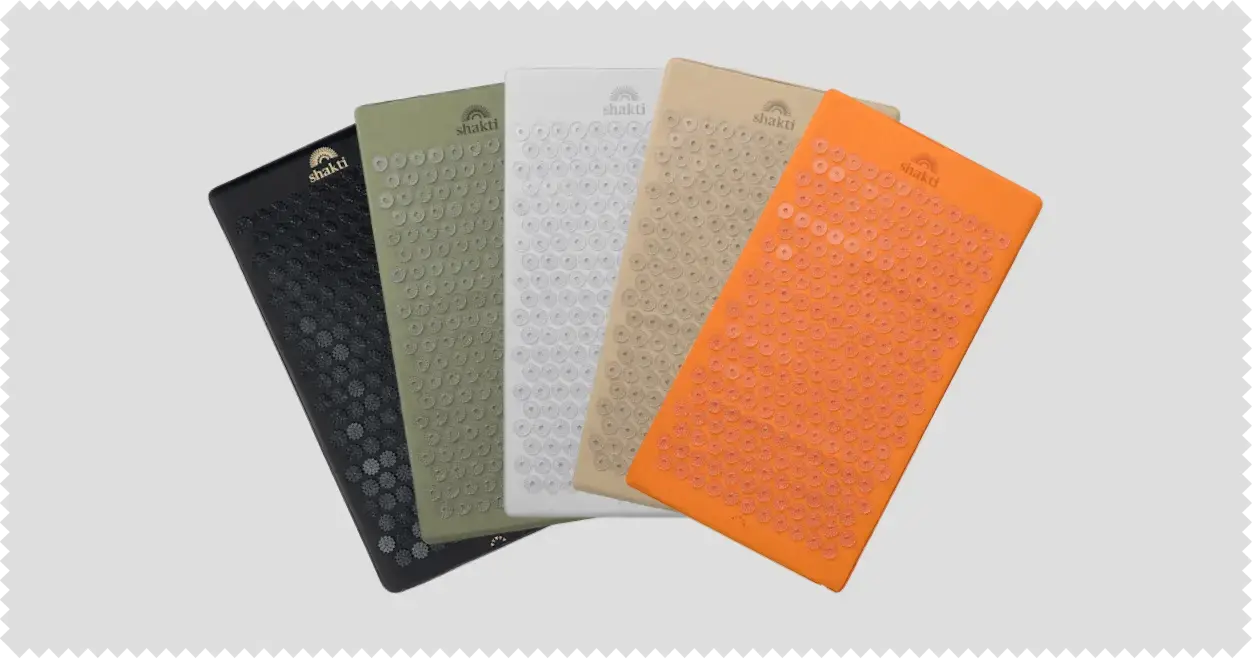
Acupressure works directly on our nervous system, just like craniosacral therapy—but as a self-treatment you can do at home: Gentle pressure from the fine plastic tips of an acupressure mat boosts blood circulation and stimulates the vagus nerve. In no time at all, the previously blocked nervous system releases feel-good hormones, muscle tension eases, and the mind returns to a deep, soothing inner calm. Many people with ADHD or sleep problems report that a short, daily session on the mat is an ideal way to let go of the day’s stress and naturally ground the body.
If you want to specifically relieve tension in the neck, shoulder, or jaw area, you can also supplement your acupressure practice with the Shakti Spiky Ball. By slowly rolling it along the base of the skull, the neck muscles, or gently along the temples, you can target areas under particular strain—ideal as a supplement to your mat practice or between two craniosacral treatments.
Conclusion: Rediscover Inner Peace with Craniosacral Therapy
When stress gets out of hand, our nervous system is the key to recovery. Craniosacral therapy offers a wonderfully gentle and holistic way to release the body from blockages, stabilize the mind, and activate the body’s own self-healing powers. Combined with smart tools for use at home—such as relaxing acupressure—you’ll regain control over your well-being and, step by step, find your path to lasting mental and physical peace.

Frequently Asked Questions & Answers
What conditions does craniosacral therapy help with?
Whether it's depression, neck tension, or chronic pain, this form of therapy helps with a wide range of conditions—from migraines, exhaustion, sleep disorders, and stress to emotional blockages, trauma, or ADHD symptoms.
Is craniosacral therapy covered by health insurance?
Since this is a complementary medicine treatment, statutory health insurance plans generally do not cover the full cost of craniosacral therapy. However, many plans subsidize the treatment as part of osteopathic services, provided there is a doctor’s referral. Private health insurance plans or supplemental insurance policies often cover the full cost.
Is craniosacral therapy dangerous?
No. Since the therapist uses only his or her hands for the treatment and works with extremely gentle pressure and without any sudden movements, the method is completely safe and risk-free. For 50 to 60 minutes, there is a pure dialogue between the body and the therapist—the patient usually lies on his or her back during the session. As a result, craniosacral therapy is ideally suited even for babies, pregnant women, or people who are frail.
