












Everyone knows those little moments—when your gaze wanders out the office window, when a noise distracts you from your homework, or when you suddenly find yourself wondering what the person you’re talking to actually just said. It can sometimes be difficult to concentrate for long periods of time. But at what point does it become a concentration problem? And what can you do to combat a lack of concentration when it makes everyday life a challenge?
Here's a quick overview for you:
- You’re said to have a concentration problem when chronic difficulties concentrating make it hard for you to manage your daily life
- Typical signs: constantly wandering thoughts, memory problems, decreased performance, and inner restlessness
- Children generally have a shorter attention span, but they can train it; in adults, a sharp decline in concentration tends to indicate negative external influences or health problems
- In most cases, the causes of concentration problems include heavy media use, overload, time pressure, poor daily habits, and physical or mental health issues
- What helps with difficulty concentrating? The key is a combination of effective time and work management, minimal distractions, a sense of well-being, and inner balance.
- Proactive planning and relaxation techniques such as meditation, yoga, or acupressure help adults and children manage the symptoms of poor concentration
Content
1. Difficulty concentrating—what does that mean?
2. Recognizing Attention Problems in Children and Adults
3. Concentration Problems and Their Causes
4. What should you do if you can't concentrate?
5. Conclusion: Find out for yourself what helps with difficulty concentrating
Difficulty concentrating—what does that mean?
What can help with difficulty concentrating? To answer this question, you should first make sure that you’re actually dealing with chronic symptoms.
Everyone has trouble concentrating from time to time. Our attention often wanes at certain times of the day, depending on our personality, motivation, and well-being. So it’s completely normal that you can’t focus on a specific task indefinitely. However, if you regularly have trouble concentrating, this may indicate a genuine concentration deficit. In that case, it’s a good idea to find out what can help with this concentration deficit.
Recognizing Attention Problems in Children and Adults
While the body is still growing, the ability to concentrate is generally somewhat lower. So if a child has trouble sitting still in school, chronic difficulty concentrating isn’t necessarily the most obvious conclusion. Adults notice the symptoms mainly during hectic daily life or at work, when staying focused suddenly becomes very difficult. To be absolutely sure whether a child is experiencing symptoms of a concentration deficit, it’s best to consult a doctor or child therapist if you have serious concerns.
The following signs may indicate difficulty concentrating:
- You get distracted easily, even by the smallest stimuli in your surroundings
- Memory problems and careless mistakes
- Acceptance of Work
- ongoing difficulties with listening or focusing on a task


Concentration Problems and Their Causes
To counteract chronic difficulty concentrating, the first step is, of course, to identify the triggers. Whether in children or adults, concentration problems usually start with small things in your daily habits or work environment that can be easily pinpointed. But increasing media use and the constant demand to be available in today’s world also have a particularly significant impact on concentration difficulties in adults.
For example, the following factors can have a negative impact on your ability to concentrate:
- excessive use of social media and other highly stimulating media
- intense time pressure, being overwhelmed or underchallenged at work or in school
- Chronic stress, burnout, and depression
- Lack of sleep, poor diet, and not enough exercise
- Circulatory problems, heart, kidney, or thyroid diseases, iron deficiency, diabetes, and long-term effects of severe COVID-19 ("Long COVID")
- Side effects of medications, excessive consumption of coffee or alcohol
- mental illnesses such as ADHD or dementia

What should you do if you can't concentrate?
So what can you do to combat difficulty concentrating? The good news is: Once you’ve identified the causes of your difficulties, you’ll quickly figure out what you can do to address them. People who are struggling greatly often turn directly to medications that, for example, improve circulation and blood flow. But with a few clever life hacks, you can also boost your concentration in a completely natural way.
Helpful Strategies for Difficulty Concentrating
- Break down and prioritize tasks: Clearly break down your to-dos into individual steps and order them by priority. Small tasks require less effort, and you can quickly check them off your list. Avoid multitasking so you can focus on a specific task without distractions. Another tip: Starting with an easy or fun task gives you an extra boost of motivation.
- Plan your work hours wisely: Are you a “lark” who hits the ground running first thing in the morning but gets tired quickly in the afternoon? Or are you more of a “night owl” who’s most productive late at night? It’s best to schedule demanding tasks that require a lot of concentration for the time of day when you feel your best. Planning breaks well also helps combat a lack of concentration—even just five minutes of fresh air can recharge your brain.
- Create a distraction-free environment: Keep your workspace quiet, well-lit, well-ventilated, and comfortably warm to avoid distractions. It’s best to have everything within reach at your desk, your cell phone on silent, and to let colleagues or friends know when they shouldn’t disturb you. In an open-plan office, for example, noise-canceling headphones can help block out nearby conversations. Ideally, in consultation with teachers, a quiet space should also be available at school for children who have trouble concentrating.
- Keep some "brain food" on hand: Make sure your body gets enough water and small snacks. Nuts, whole-grain cookies, and fresh fruit, for example, are especially good for boosting concentration. Glucose usually provides only a short-term energy boost, and heavy meals can make you feel tired. Healthy little snacks to munch on between meals—or even an occasional sweet treat as a motivational reward after completing a task—work wonders, though.
- Find Peace: Inner balance is crucial for sustaining attention over the long term. Through yoga or meditation exercises, mindfulness training, or classical music, you can put your body and mind in a positive state—which also helps combat poor concentration. In addition, targeted exercises and regularly practiced relaxation techniques, such as acupressure, can greatly improve your ability to concentrate.
What is acupressure?
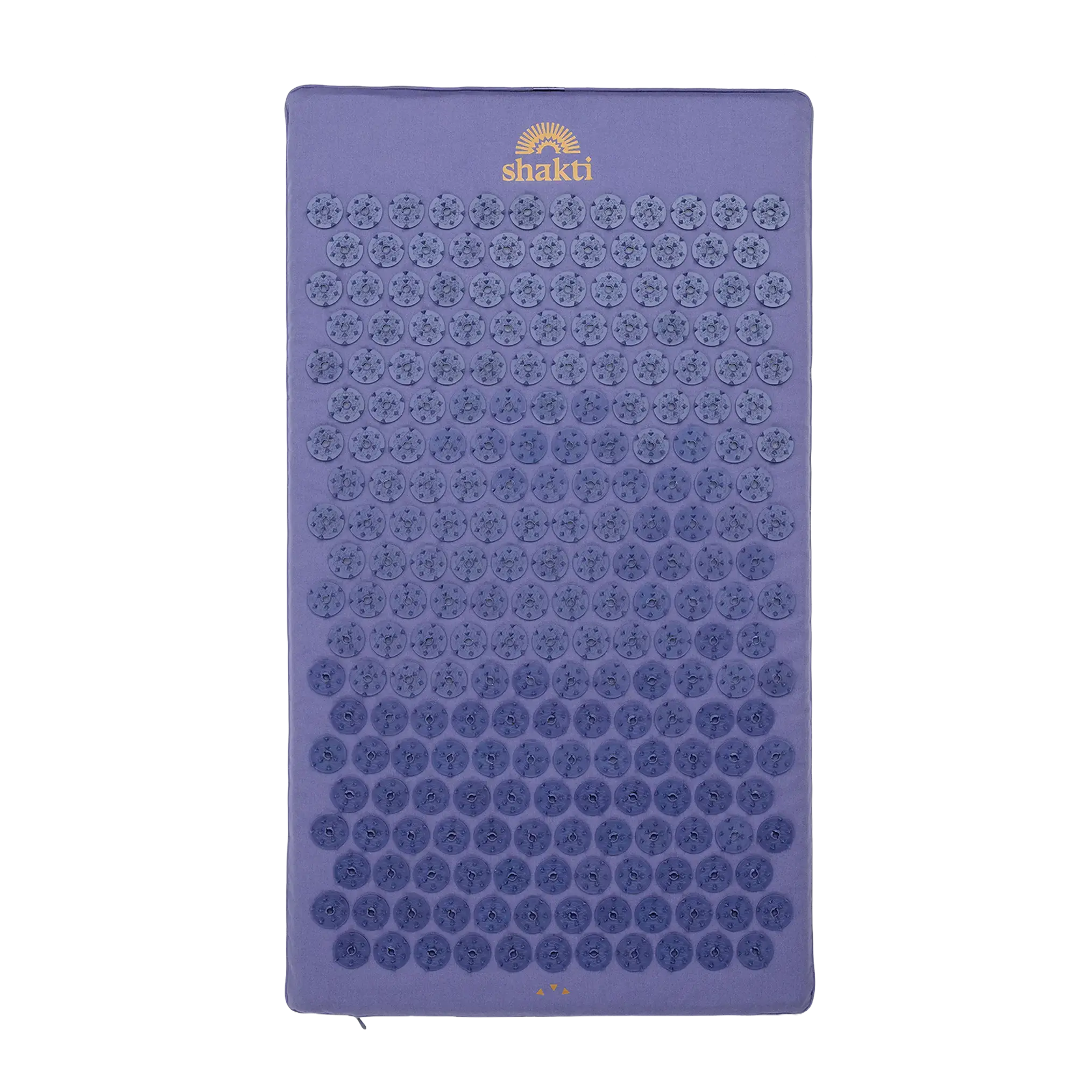
Acupressure is a millennia-old technique that stimulates your vagus nerve, which plays a crucial role in your physical well-being. On a Shakti Mat acupressure mat, small plastic spikes apply gentle pressure to your body—for example, along your back, on your chest and abdomen, or on your limbs. This releases “happiness hormones” such as endorphins and oxytocin, which lift your mood, slow your heart rate, and relieve tension in your muscles. This helps you find inner peace and naturally activate your body’s self-healing powers.
Boost Your Concentration to the Max—with Acupressure
If you’re looking for a natural method to help with difficulty concentrating, acupressure is the perfect solution: Stimulating the skin in the neck and shoulder area, in particular, can provide deep relaxation after sitting at a desk for a long time. This not only helps prevent concentration problems but also migraines, muscle pain, and chronic stress. Some people even report relief from ADHD symptoms. In addition, acupressure and meditation can be wonderfully combined into personalized relaxation exercises.

Conclusion: Find out for yourself what helps with difficulty concentrating
Everyone functions a little differently—so there’s no single right answer to the question of what helps with poor concentration. However, if you can pinpoint the causes of your concentration problems, you’ll quickly find the right ways to improve your concentration in the long run. With the right organization, small life hacks for school and work, and an extra dose of relaxation, you can bring your body and mind into balance.
Since relaxation is key, supportive techniques such as acupressure can play a crucial role in combating difficulty concentrating. In this way, you not only train your attention span and your ability to focus on important tasks, but you also activate your body’s self-healing powers, lift your mood, and cultivate the inner peace that can help you navigate your daily life stress-free.
