









Everyday life presents us with challenges day in and day out: tight deadlines at work, the need to be constantly available, the hustle and bustle of household chores, and the constant beeping of our smartphones. Often, we don’t even notice how tension gradually builds up in our bodies. Our muscles tense up, our hearts beat faster, and our minds just can’t settle down.
To break out of this constant state of alertness, our system needs an effective counterbalance: the parasympathetic nervous system, our “brake pedal” for rest and recovery. The vagus nerve is the key player in this system. If you learn to specifically target this fascinating nerve, you can shut down your stress responses as if at the push of a button. Effective vagus nerve exercises combine modern insights from neuroathletics with somatic movements to restore a tangible sense of security and deep relaxation to your body.
Key points at a glance:
- The vagus nerve is the most important part of the parasympathetic nervous system, which helps our autonomic nervous system relax.
- When the parasympathetic nervous system is active, you feel a deep sense of inner relaxation. This can also alleviate symptoms such as tinnitus, migraines, or overthinking, which are often associated with prolonged stress.
- Certain exercises can specifically target the vagus nerve, such as simple movements or gentle touches to the eyes, ears, neck, chest, and abdomen.
- The beneficial effects of the exercises can be wonderfully enhanced by yoga or acupressure.
Content
1. Regulate the nervous system with vagus nerve exercises and neuroathletics
2. How Daily Exercises for the Vagus Nerve Can Help
3. Training the Vagus Nerve: 5 Exercises for Your Daily Life
4. Strengthen the Vagus Nerve with Yoga Exercises and Acupressure
5. Conclusion: How to Regain Inner Peace in the Long Term Through Vagus Nerve Exercises
Regulating the Nervous System with Vagus Nerve Exercises and Neuroathletics
When we’re constantly under stress in our daily lives, it doesn’t just affect our mental health. The sympathetic nervous system—the part of the autonomic nervous system responsible for our “fight-or-flight” responses—runs at full speed. It increases our heart rate and blood pressure, dilates the bronchi, and slows down digestion. Over time, this can be quite taxing on the entire body. We’ll show you how you can reset your nervous system with a few simple vagus nerve exercises, so that the parasympathetic nervous system—the counterpart to the sympathetic nervous system and the part responsible for inner calm—can once again take the reins in a relaxed manner.
What is the vagus nerve?
The vagus nerve is the 10th cranial nerve and, at the same time, the longest and most powerful nerve in our parasympathetic nervous system. Its name is derived from the Latin word *vagus*, which means “wandering”—and that perfectly describes its function: Starting at the brainstem, it travels through the throat and neck, passes by the ears, runs through the chest alongside the heart and lungs, and finally branches out deep within the entire abdominal cavity all the way to the intestines. It acts like a data highway between the brain and our internal organs. What makes it special is that about 80% of the nerve fibers send signals from the organs up to the brain. This means that through our bodies, we can directly influence how stressed or relaxed our minds feel. When the vagus nerve is highly active (this is referred to as good “vagus tone”), the heart beats more calmly, breathing becomes deeper, digestion functions optimally, and we feel calm and socially engaged. However, when the tone is weak, we remain trapped in the stress cycle.
Exercises for Vagus Nerve Stimulation—Activate, Train, Calm
Why are exercises for the vagus nerve so popular right now? Because they create a natural, immediately perceptible bridge between body and mind. When you perform targeted exercises regularly, you send physical stimuli to the brain that immediately signal: You are safe. There is no danger. The repertoire ranges from gentle head movements and special breathing techniques to approaches drawn from neuroathletics and somatic movement practices. While traditional sports often aim to build muscle or burn calories, neuroathletic exercises focus on the interaction between the brain, eyes, vestibular system, and nervous system.
Specifically, somatic vagus nerve exercises can have the following effects:
- Activate: You stimulate a weakened parasympathetic nervous system and boost the body's self-repair mechanisms.
- Exercise: Regular exercise improves what's known as heart rate variability (HRV)—a clear indicator of your stress resilience and an active vagus nerve.
- Calming: In an emergency, they instantly lower your heart rate and flush stress hormones like cortisol out of your bloodstream.
- Strengthen your nervous system: Over time, you'll become more resilient to mental and physical stress.


Conditions That Vagus Nerve Exercises Can Help With
A chronically overloaded nervous system rarely manifests itself in just one area. Because the vagus nerve supplies so many organs, targeted exercises can provide relief from a wide variety of everyday ailments. Anyone who spends a few minutes each day doing gentle exercises is investing directly in a whole new quality of life.
- Tinnitus: Ringing in the ears is often caused by severe neck tension or high stress levels. Since fine branches of the vagus nerve run through the ear canal, specific vagus nerve exercises for the head and ear area can help relax the muscles in the middle ear and soothe the overstimulated nervous system when tinnitus symptoms occur.
- Migraines and Headaches: Tension headaches and migraine attacks are usually accompanied by constricted blood vessels and tense muscles in the shoulder and neck area. Gentle movements stimulate the vagus nerve, causing the blood vessels to dilate again, regulating blood flow, and noticeably reducing the intensity of the pain.
- Stress and Overthinking: When your thoughts go round and round in your head, your brain sounds the alarm. A quick vagus nerve exercise physically interrupts the constantoverthinking, grounds you in the here and now, and signals your body to relax.
- A Nervous System Reset for Inner Peace: Imagine the effect of these exercises as a “reboot” of your computer. When the system is overloaded and nothing works anymore, a short sequence of specific movements can bring your nervous system back to its natural, balanced baseline.

Training Your Vagus Nerve: 5 Exercises for Your Daily Routine
The best thing about vagus nerve stimulation is its simplicity. You don’t need expensive equipment or hours-long workouts. The most important thing is to experiment: Since everyone’s nervous system is unique, some people respond particularly well to eye movements, while others feel the relaxation more through their ears or intestines. In any case, make sure to stay completely pain-free while practicing. Always breathe in calmly through your nose and exhale slowly through your mouth.
By the way: These techniques are also great for kids! Vagus nerve exercises can help even the little ones find their center again in a playful way after a long day at school or when they’re feeling restless.
1. Vagus Nerve Exercise for the Eyes
Since the eye muscles are directly connected to the nuclei of the vagus nerve via the brainstem, the nerve can be stimulated particularly quickly by directing your gaze in specific directions. A popular basic exercise was developed by Stanley Rosenberg: Sit upright and comfortably, or lie flat on your back. Interlace your fingers behind your head to gently support the back of your head, and keep your head pointing straight ahead—only your eyes should move. Now look with both eyes as far to the lower right as possible without turning your head, and hold this gaze for about 30 to 60 seconds. Wait for an involuntary response from your body: a deep sigh, a swallow, a yawn, or a sign of relief. Then return to the center and repeat the entire process on the left side. This simple exercise instantly relaxes the top cervical vertebra (atlas) and calms your heart rate.
2. Simple Vagus Nerve Exercises for the Ears
A small branch of the vagus nerve, the ramus auricularis, runs directly into the outer ear. This makes the ears an ingenious tool for quick relaxation whenever you need it.
- Gentle Ear Massage: Gently grasp the upper edge of your ear with your thumb and index finger. Using light pressure, stroke down the inside of your ear toward the earlobe.
- Earlobe Pull: Gently pull your earlobes downward and slightly backward and downward, away from your head.
- The Concha Stimulation: Place your index finger in the small indentation directly above the ear canal (concha). Massage this area with circular, very gentle movements for about a minute.
After just a few moments, you'll usually feel a pleasant warmth spreading from your head throughout your entire body.
3. Vagus Nerve Exercise for the Neck
Tight muscles in the neck literally put pressure on the nerves—and as a result, they often affect the vagus nerve, which runs along the side of the neck. To help you relax, you can try the following simple exercise: Sit down in a relaxed position and let your shoulders drop deeply downward. Slowly and carefully tilt your right ear toward your right shoulder without raising your shoulder. Now look up and to the left with both eyes (without turning your head)—that is, in the opposite direction of the tilt. Hold this stretch for about 30 seconds and breathe deeply into the left side of your neck. Slowly return your head to an upright position and switch sides. Such mobility-enhancing exercises release deep-seated tension in the neck and upper back, which is often caused by prolonged screen time.
4. Vagus Nerve Exercises for the Thoracic Spine
A tight chest and shallow breathing constantly signal to the brain that an emergency is underway. When you mobilize your thoracic spine, you create space for your diaphragm—the most important breathing muscle, through which the vagus nerve passes.
- Diaphragmatic Stretch and Cat-Cow Pose: Get on all fours. Inhale through your nose and gently push your chest forward and upward (creating a gentle arch in your lower back). As you exhale through your mouth, round your back completely like a cat, pull your navel inward, and lower your head.
- The Heart-Opening Pose: Stand up straight, clasp your hands behind your back, and bring your shoulder blades together. Take a deep breath into your heart space.
- Long Exhalation: The secret to effective vagus nerve exercises lies primarily in the exhalation. Take a deep breath into your abdomen for 4 seconds, then exhale slowly through slightly parted lips for 7–8 seconds. Regular deep breathing effectively increases your heart rate variability.
5. Vagus Nerve Exercises for the Intestines
The “gut brain” is in constant communication with our brain via the vagus nerve. Stress often leads to digestive problems that manifest in the stomach and intestines—conversely, soothing stimuli to the gut can also calm the entire system.
- Gentle clockwise abdominal massage: Lie flat on your back and bend your legs slightly. Place your flat hands on the lower right side of your lower abdomen. Using gentle pressure, massage in a clockwise circular motion—following the course of the large intestine—slowly across your upper abdomen toward the lower left side.
- Somatic Shaking (Tapping): Stand up straight, clasp your hands behind your back, and pull your shoulder blades together. Take a deep breath into your heart center.

Strengthen the Vagus Nerve with Yoga Exercises and Acupressure
For thousands of years, both yoga and acupressure have been among the most effective methods for providing the body with deep relaxation. They are ideal for complementing classic vagus nerve exercises or for adding a whole new level of depth to them.
Popular Yoga Poses for the Vagus Nerve
- Child's Pose (Balasana): Kneel on the mat, rest your upper body on your thighs, and bring your forehead to the floor. Let your arms rest at your sides. The gentle pressure on your forehead (where acupressure points are located) immediately calms your thoughts.
- The Supported Fish Pose (Matsyasana): With a Pillow under your thoracic spine, you gently open your chest and stretch the front of your neck—a wonderful stimulus for the vagus nerve.
- Legs Up the Wall (Viparita Karani): Lie on your back and extend your legs upward against a wall. This inverted pose lowers blood pressure and helps calm the nervous system.
Acupressure as a Natural Way to Stimulate the Vagus Nerve
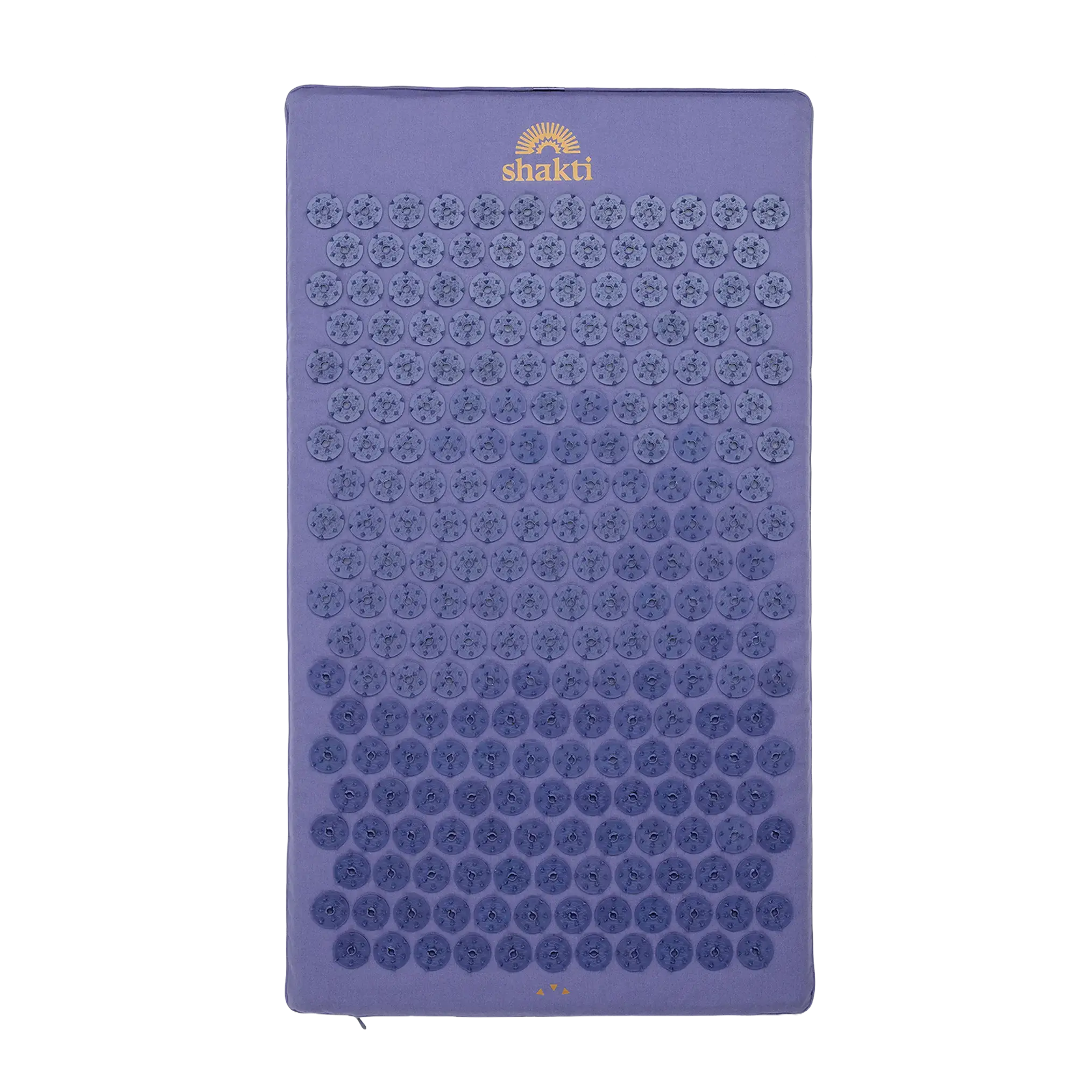
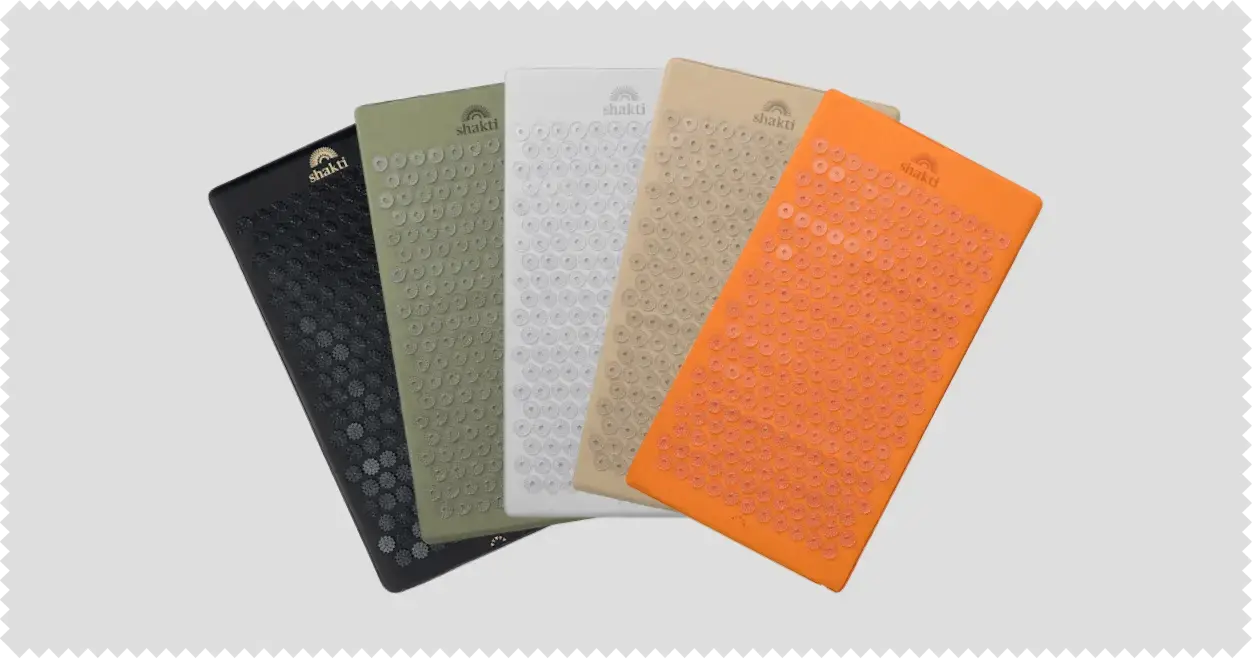
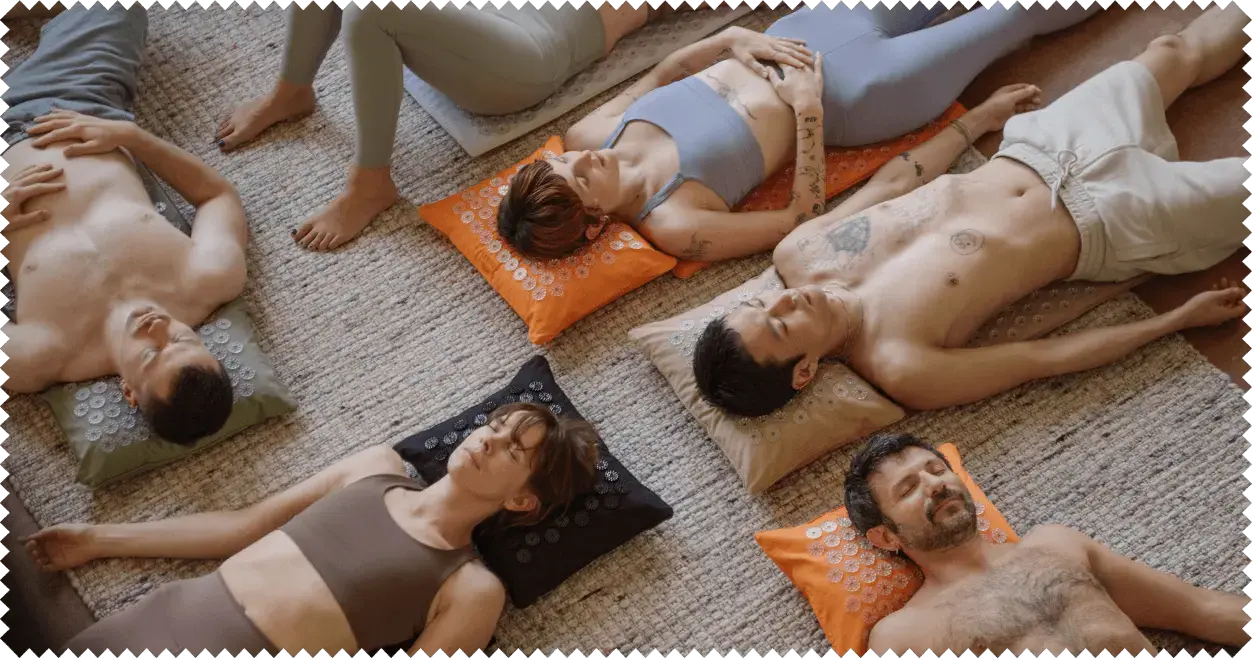
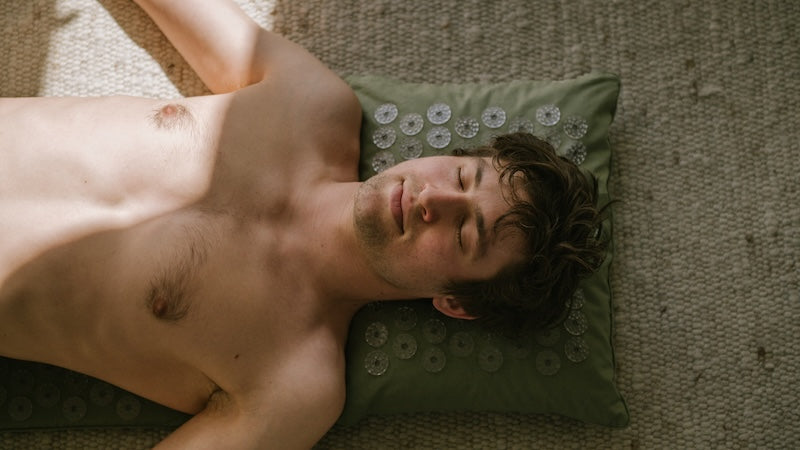
While you have to stay focused during active workouts, acupressure takes a lot of the work off your hands. With an acupressure mat, you stimulate the nerve endings in your skin through hundreds of fine plastic spikes. What happens in the body during this process? The gentle but steady pressure triggers the release of the body’s own “feel-good” hormones (endorphins) and significantly boosts blood circulation. This stimulus travels directly to the brain via the sympathetic and parasympathetic nervous systems. So, after the first few minutes, the spikes signal to the brain: Don’t panic, nothing bad is happening—you can let go. For example, if you lie on an acupressure cushion for 15 to 20 minutes with your back or neck resting on it, the localized pressure significantly amplifies the effect of your vagus nerve exercises against migraines, stress, and other issues. Tension in your neck melts away, your heart rate noticeably slows, and your body automatically glides into a deep, soothing state of calm. Oh, and if you find yourself smiling automatically while doing this—all the better! Because even a genuine smile can effectively activate the vagus nerve fibers.
Conclusion: How to Regain Inner Peace in the Long Term Through Vagus Nerve Exercises
In a world that feels like it’s spinning faster and faster, a source of inner calm is worth its weight in gold. But you don’t have to completely turn your life upside down to feel more at peace again. The key lies in small, regular practices that allow you to massage and stimulate your vagus nerve: Try out different somatic techniques, combine them with yoga or meditation as you see fit, and discover which vagus nerve exercises feel best for you and your daily life. Whether it’s a quick eye exercise at your desk, a few mindful breaths of fresh air, or a relaxing evening session on your yoga mat—every little break signals to your body that it’s safe. Give your nervous system the attention it deserves, and find your way back, step by step, to your natural strength, balance, and mental resilience.
