












Work is calling, or you have an important exam coming up; at the supermarket, you grab the wrong items or forget half of what you need, and to top it all off, after a few minutes of reading, you realize: You have no idea what’s actually written there. So you start over from the beginning. But after just a few sentences, your thoughts start to wander: “What was I planning to cook tonight again? Do I even have all the ingredients? Lena said she’d stop by, so I’ll have to make more. I’ll ask her again if she’s really coming. Where’s my cell phone? It’s not here…”
For many people, trouble concentrating has become a part of everyday life. But it doesn’t always manifest itself so clearly—it can also be very subtle. Maybe you just feel like you’re never quite on top of things. Lack of concentration can be unsettling and frustrating, especially when it happens frequently. The good news is: You’re not alone in this, and there are various approaches you can try in your quest for improvement.
TL;DR / The most important points in a nutshell:
- Concentration problems are common and often manifest in subtle ways—for example, through wandering thoughts, forgetfulness, or restlessness.
- Typical symptoms of poor concentration include mental exhaustion, slow thinking, and difficulty completing tasks.
- Common causes include stress, lack of sleep, sensory overload, lack of physical activity, hormonal changes (e.g., during menopause), and being constantly available.
- Difficulty concentrating and depression often occur together—persistent feelings of low mood should be taken seriously.
- Short, regular concentration exercises for adults (mindfulness, brief periods of focus, intentional breaks) can help improve focus.
- A holistic approach that combines structure, self-care, exercise, sleep, and realistic expectations is often more effective than quick fixes.
-
Acupressure can serve as a complementary relaxation technique to help reduce mental restlessness and create intentional breaks.
Content
1. Trouble concentrating is nothing to be ashamed of
2. Difficulty Concentrating—Recognizing the Symptoms
3. Possible Causes of Concentration Problems
4. When a Bad Mood Becomes a Problem: Difficulty Concentrating and Depression
5. Concentration Exercises for Adults
6. What else can help with difficulty concentrating?
7. Acupressure as a complementary approach for treating mental restlessness
8. Understanding Concentration Problems Instead of Fighting Them
Difficulty concentrating is no reason to be ashamed
Social shame is overrated anyway. But it’s also important to know that concentration problems aren’t a sign of a lack of intelligence or discipline. They often result from a combination of various factors—physical, mental, and emotional. Some people experience only occasional difficulty concentrating, while others struggle with a pronounced lack of concentration over a long period of time.
In this article, we’ll take a closer look at what symptoms are typical, what might be causing concentration problems, and what can help with poor concentration in everyday life. You’ll also learn what concentration exercises for adults might look like and what role relaxation—for example, through acupressure—can play as a supportive approach. But before you get too relaxed: things are about to get interesting again. Let’s start with the symptoms!
Difficulty Concentrating - Recognizing the Symptoms
Difficulty concentrating doesn’t manifest the same way in everyone. So don’t rely too heavily on the standard definition; instead, take a close look at yourself and your behavior. You’ll quickly recognize which symptoms appear regularly for you and how intense they are. Typical symptoms include, for example, your thoughts wandering off quickly, difficulty taking in information, or trouble finishing tasks. Many people affected also report inner restlessness or the feeling of constantly being “out of it.”
Common symptoms also include forgetfulness, slow thinking, or a feeling of mental exhaustion. Even simple tasks can feel exhausting. It becomes particularly stressful when these concentration problems interfere with daily life—at work, while studying, or during conversations.
But be aware: It’s important to distinguish between temporary lapses in concentration and persistent difficulty concentrating. Everyone gets tired or distracted from time to time. However, if difficulty concentrating persists for weeks or gets worse, it’s worth taking a closer look and considering possible causes.

Possible Causes of Concentration Problems
If there’s one thing we’ve learned from our work with acupressure, it’s this: The body is a complex, intelligent system. You don’t just get sick or develop symptoms by chance. Every symptom has a cause, and the cause of concentration problems can be many things. The possibilities are varied and often individual—sometimes obvious, other times not quite so easy to pinpoint. Stress frequently plays a central role. Anyone who is under constant pressure, has to juggle many tasks at once, or is emotionally strained quickly notices that their concentration suffers. The brain is then in a constant state of alert and has a hard time finding rest. But periods of rest are important for all living things, because without them, there can be no regeneration. Accordingly, lack of sleep is also among the possible causes. No sleep, no rest, no concentration.
Physical factors can also cause concentration problems. A lack of exercise or hormonal changes have a direct impact on mental performance. For example, many people experience concentration problems during menopause because the body is going through a period of transition.
And let’s not forget about today’s world: the constant sensory overload. Being available 24/7, social media, and multitasking demand our attention around the clock. Maybe this sounds familiar: You haven’t slept well in a while, and you haven’t been able to concentrate for a long time. All day long, your brain takes its time, but the moment your head hits the pillow, it’s as if someone flipped a switch. The race of thoughts begins. Topping the list, as always, is the question of what your coworker meant today—or whether you misinterpreted it—or maybe he really doesn’t like you after all? You’ve always suspected that. You try desperately to fall asleep. Counting sheep, running your arms under cold water—nothing helps. Eventually, much too late, you finally fall into a restless, exhausted sleep. Your brain barely has time to process the flood of information that bombards you every day. So concentration problems don’t stem from a lack of ability, but from being overwhelmed. Identifying the causes is an important step toward finding suitable solutions. So take a moment to notice how many of the following points you regularly recognize in your own life:
- You're often under pressure.
- Your to-do list takes up more time than there are hours in the day.
- You're not getting enough sleep.
- You rarely exercise and spend a lot of time sitting.
- You're currently experiencing hormonal fluctuations.
- You spend a lot of time on social media.
- You're basically always available to the people around you.
When a Bad Mood Becomes a Problem: Difficulty Concentrating and Depression
Maybe you’ve noticed this before: When you’re having a really bad day and experiencing a lot of negative emotions, you’re rarely productive. After all, the most productive days are the ones when we’re just in a really good mood. We’re in the zone, everyone’s friendly to us, our to-do list is a breeze, and at night we fall asleep with a smile because the day was just plain fun. Conversely, the worse our mood is, the more exhausting everything feels. And at the very bottom of this long staircase leading down into the basement of our psyche, depression awaits us. Depression and concentration problems often go hand in hand. People with depressive moods frequently report that they have trouble concentrating, think more slowly, or have difficulty making decisions. This type of concentration problem isn’t a sign of laziness, but rather part of the psychological strain. With depression, energy, motivation, and attention are often limited. This can lead to even familiar tasks suddenly feeling difficult. Concentration problems associated with depression, in turn, intensify the feeling of being overwhelmed, which can increase internal pressure.
Important: Approach this topic with sensitivity. If concentration problems are accompanied by persistent feelings of low mood, lack of motivation, or inner emptiness, it may be helpful to seek professional support. Talk to someone who really knows what they’re talking about! And if you’d like to give it a try, consider using meditation to help with depression.


Concentration Exercises for Adults
Where there are causes and symptoms, there are also solutions. Some can be implemented right away, while others take time. However, it’s a good idea to incorporate small concentration exercises into your daily routine. By this, we don’t mean the traditional study methods from school. Rather than simply improving performance, our goal is to consciously direct our attention and reduce feelings of being overwhelmed. Small, regular exercises are usually more effective than long training sessions.
A simple exercise is to consciously focus on a sensory impression, such as sounds or your own breath. You may already be familiar with this as a tip for dealing with inner anxiety: 5 things you can see, 4 things you can hear, 3 things you can smell, and so on. For a few minutes, focus your attention solely on these sensations and let other thoughts drift away. This form of mindfulness helps calm the mind and gently improve concentration.
Structured work intervals are also among the tried-and-true concentration exercises. Short periods of focus lasting 20 to 30 minutes, followed by a deliberate break, help the brain stay productive. Take as much time as you need for the exercises and choose the ones you enjoy—they should never become another source of stress for you. The point is for you to find relaxation and clarity.
What else can help with difficulty concentrating?
Often, a holistic approach that takes the body, mind, and daily life into account equally makes sense. Regular breaks, sufficient sleep, and exercise form an important foundation; deeper self-exploration, visits to the doctor if necessary, and concrete, long-term strategies build on this foundation. Clear structures can also help reduce difficulties with concentration. To-do lists with realistic goals, set work hours, and intentional breaks take the pressure off your mind. Trying to do everything at once often unintentionally exacerbates your lack of focus.
And while you might not have expected it, the way you treat yourself also plays a major role. Having trouble concentrating doesn't mean there's something "wrong" with you. Patience, self-compassion, and trying out different strategies will help you find your own way.
Always remember: Small changes are often more sustainable than radical overhauls.

Acupressure as a Complementary Approach for Mental Restlessness
And last but not least, let’s discuss another option: acupressure. For those who aren’t familiar with it, acupressure is a method that involves applying pressure to specific points on the body to stimulate them. The goal is to become more aware of your body and promote relaxation. This form of self-care can be particularly helpful for mental restlessness or internal stress and can help lower cortisol levels.
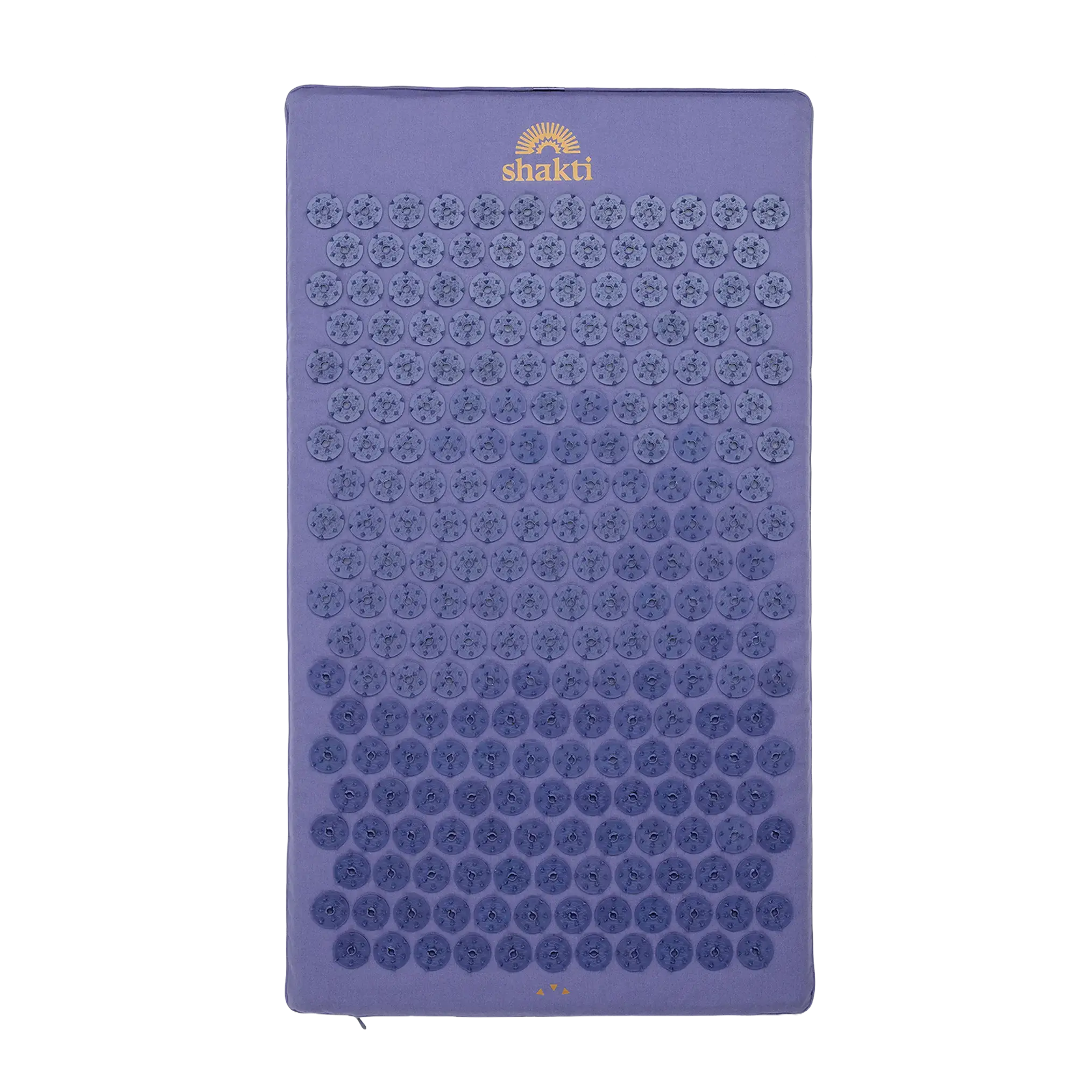
Acupressure mats use many small spikes that deliver intense stimulation to the skin. These stimuli draw attention to the body and can help you step back from the whirlwind of thoughts. Relaxation is an important factor when it comes to concentration problems, as a calm body often creates better conditions for mental clarity.
Products like the Shakti Mat can be a great addition to relaxation routines by stimulating pressure points.
Understanding Concentration Problems Instead of Fighting Them
Concentration problems are complex and rarely have a single cause. Whether it’s a lack of concentration, concentration disorders, or occasional difficulty concentrating, these issues are often a sign that your body and mind need a break. Instead of fighting against your own lack of focus, it’s worth seeing it as a signal.
With greater mindfulness, appropriate concentration exercises for adults, and a conscious approach to managing stress, many concentration problems in everyday life can be alleviated. Relaxation, for example through acupressure, can also play a supportive role. Ultimately, the goal is for you to find a personalized approach that feels right for you and is sustainable in the long term.
