












Complete concentration sometimes feels like a rare luxury. You sit down to work on a task, ready to dive in—and suddenly your thoughts start to wander. A message here, a noise there, and then there’s the to-do list in the back of your mind. For many people today, staying focused is harder than it was just a few years ago. Our daily lives are fast-paced, noisy, and full of stimuli that are constantly competing for our attention.
Yet concentration is a skill we need every day: at work, while studying, reading, or even when talking with others. When your attention span wanes or you find yourself struggling to concentrate more often, it can be frustrating. The good news is that concentration is (usually) not a fixed trait that you either have or don’t have. It’s something you can understand, practice, and consciously cultivate in your daily life.
Find out with us what concentration really means, what factors influence your ability to concentrate, and which concentration exercises can help you regain your focus.
Key Points at a Glance
- Concentration is not an innate trait, but a skill that can be understood and developed.
- Full concentration does not mean constant focus, but rather focused attention over a limited period of time.
- The ability to concentrate varies from person to person and is influenced by factors such as sleep, stress, exercise, the environment, and one's mental state.
- Concentration problems can manifest, for example, as a wandering mind, restlessness, or difficulty completing tasks.
- Common causes of poor concentration include stress, sensory overload, lack of sleep, and emotional strain.
- Small changes in daily life (breaks, structure, fewer distractions) can significantly improve concentration.
- Concentration exercises, such as mindful breathing or brief periods of focus, help promote mental clarity.
- Acupressure can serve as a complementary relaxation technique to help you unwind and regain your focus.
- What matters most is a mindful, realistic approach to one's own attention—not perfection.
Content
1. What does "concentration" actually mean?
2. Understanding Your Own Ability to Concentrate
3. How do concentration problems manifest themselves?
4. Boost Your Concentration—Small Changes, Big Impact
What does "concentration" actually mean?
Concentration describes the ability to consciously focus your attention on one thing while blocking out external and internal distractions. The Duden dictionary defines it as follows:
Concentration, the
Part of speech: noun, feminine
Definition: a high degree of attention and mental concentration focused on a specific activity or the like
So it's not about completely shutting out everything else, but about giving priority to what's essential for a certain period of time. Full concentration, then, doesn't mean constant focus, but rather focused attention.
It’s not uncommon for this to be confused with discipline. In reality, many unconscious processes play a role: your energy level, your emotional state, and even your surroundings. When you’re able to concentrate well, it feels almost effortless. Thoughts flow, tasks come more easily, and time seems to pass more quickly.
It’s also important to note that concentration isn’t constant. No one stays equally focused all day long. Fluctuations are completely normal and not a sign of poor concentration. Only when focus is consistently lacking or simple tasks become difficult do we speak of concentration problems.
Understanding Your Own Ability to Concentrate
The ability to concentrate varies from person to person and depends on many factors. For example, your attention span may be longer in the morning than in the evening, or you may be able to concentrate better on stress-free days than during periods of high stress. For others, however, it’s exactly the opposite—they’re much more focused in the evening and in stressful situations. But it’s not all down to your natural disposition; the way you’ve structured your environment also plays a role. Factors that influence this include sleep, nutrition, exercise, and mental health. Emotional issues or internal pressure also have a direct impact on your ability to concentrate. If you’re constantly under stress, you’ll often find that your mind wanders more easily or that your thoughts go around in circles.
Sometimes your concentration just feels poor simply because your expectations are unrealistic. It’s nearly impossible for the brain to maintain full concentration for hours on end. Taking breaks isn’t a sign of weakness—it’s a natural part of staying focused. If you know and accept your personal attention span, you can work with it more effectively instead of fighting against it.


How do concentration problems manifest themselves?
Problems with focus can manifest in a variety of ways. Some people read the same paragraph over and over again without taking in the content. Others start many tasks at once but rarely finish any of them. A feeling of inner restlessness or a racing mind can also be a sign of waning concentration.
Poor concentration often has harmless causes, such as sleep problems, sensory overload, or not taking enough breaks. In such cases, simply structuring your daily routine more consciously is often enough. Sometimes, however, concentration problems are also related to emotional strain. Issues such as stress, feeling overwhelmed, or depressive moods can significantly impair concentration.
The link between depression and concentration is well known: People who feel mentally exhausted have a harder time staying focused.

Boost Your Concentration—Small Changes, Big Impact
Don't worry: If you're having trouble concentrating, it's not the end of the world. There are ways and means to train your brain and body and build up your skills. Often, it’s the small changes that make a big difference. A tidy environment, clear priorities, and set break times can noticeably improve your focus. Your energy levels also play a role. If you’re constantly tired, it’s hard to concentrate.
- Enough sleep,
- Exercise in the fresh air
- and intentional rest periods
support mental performance. It’s also helpful to consciously reduce distractions. Simply putting your cell phone out of reach or turning off notifications can help you regain your full concentration. This isn’t about giving things up, but about making conscious choices to create more peace of mind.
Concentration Exercises for Greater Mental Clarity
And then, of course, there are also very specific techniques, such as concentration exercises. These are a way to gently train your focus and direct your attention more consciously. Even just a few minutes a day can help bring more clarity to your thoughts.
One simple exercise is mindful breathing. Sit comfortably and focus your attention solely on your breath for one to two minutes. When thoughts arise, acknowledge them and calmly return your attention to your breath. This form of mindfulness strengthens your ability to let go of thoughts and refocus your attention.
Even small, everyday exercises can help improve your concentration. For example, you can challenge yourself to complete a task for ten minutes without interruption. Follow that with a short break. This technique helps you make realistic use of your attention span instead of overtaxing it. The key is consistency—not perfection.
Acupressure as a Gentle Way to Improve Focus
Acupressure is a method from traditional Chinese medicine in which pressure is applied to specific points on the body to stimulate them. The goal is to become more aware of the body and promote relaxation. Many people use acupressure as part of their personal relaxation routine.
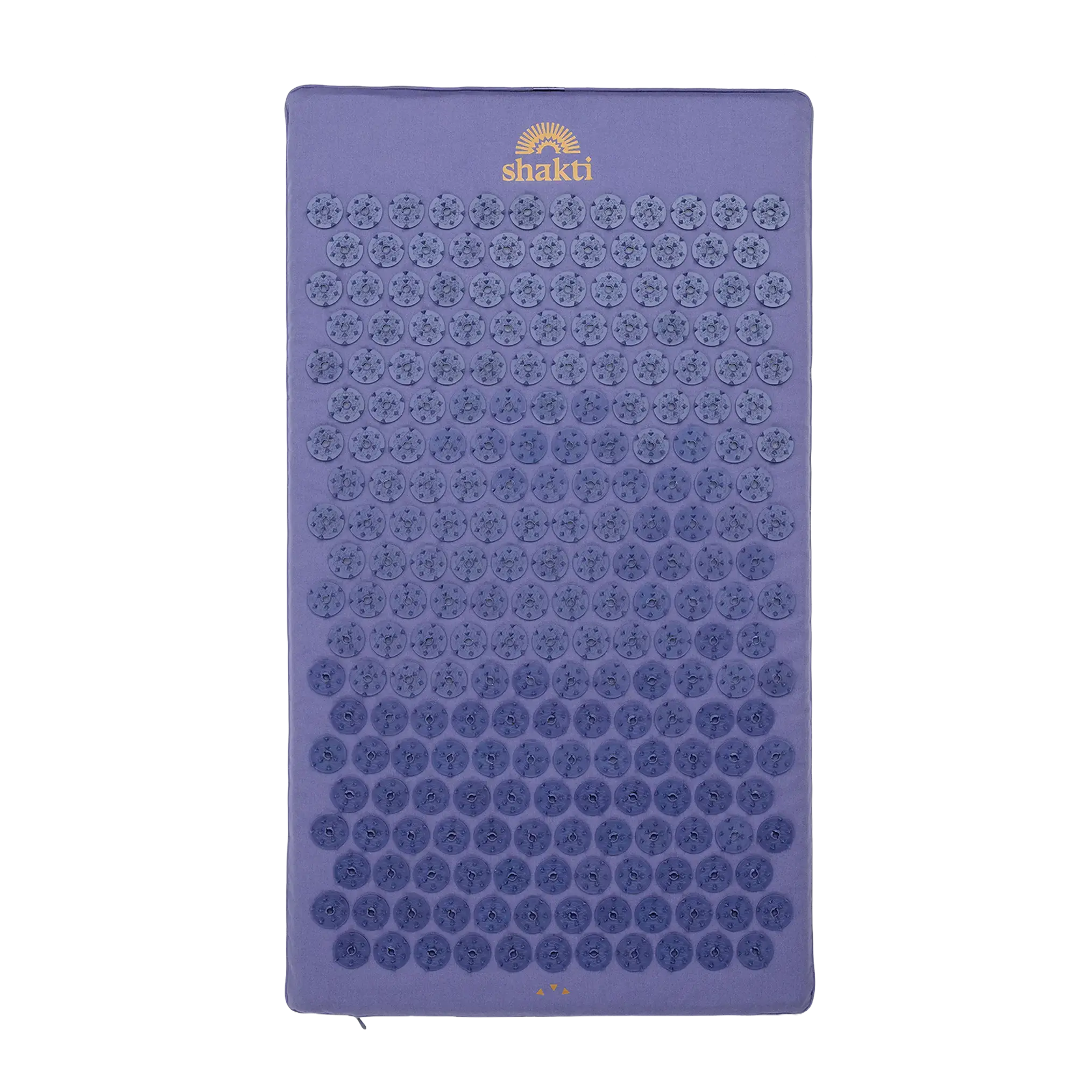
Acupressure mats like the Shakti Mat use small spikes that apply pressure to the skin. This intense body awareness can help you step off the merry-go-round of thoughts and refocus on the present moment. Our mats are a tool for calm, mindfulness, and intentional breaks. As a complement to concentration exercises or relaxation rituals, acupressure can help you step back from everyday life and clear your head—feel free to try it out for yourself.
Don't give up!
The most important rule: Don’t give up. No matter how good or bad your concentration may be, it’s not a fixed trait, but rather a combination of attention, energy, and inner balance. If your ability to concentrate fluctuates or you go through periods of poor concentration, that’s completely normal. The important thing is to be aware of your own needs and to set realistic expectations.
Simple concentration exercises, clear routines, and intentional breaks can help you stay focused in your daily life. Relaxation—such as through breathing exercises or acupressure—can also be helpful. Ultimately, it’s not about being perfectly focused all the time, but about learning to be mindful of how you direct your attention. And we’re confident that you’re already well on your way there.
