











Time and again, it makes itself known at the most inopportune moments: an annoying jaw pain, usually on the right side. Sometimes a pulling sensation, sometimes a pressing one—suddenly on the other side, while chewing, in the middle of an important client meeting, or even first thing in the morning when you get out of bed—it persistently demands your attention. Where does it come from? And what can you do to keep the pain from slowing you down, especially during your hectic daily routine?
The most important information for you at a glance:
- Pain in the temporomandibular joint often occurs on one side—it can be diffuse, pulling, stabbing, throbbing, or even a dull, persistent sensation of pressure
- If you ignore your jaw pain for too long, it can lead to unpleasant consequences such as severe toothaches, sleep problems, hearing loss, headaches, or depression
- Common causes of unilateral temporomandibular joint pain on the right or left side: dental problems, temporomandibular joint disorder (TMJ), inflammation or infection, fractures, muscle tension, or chronic stress
- Quick relief from acute pain can be provided, for example, by using warm or cold compresses, avoiding chewing gum and hard or chewy foods, as well as gentle stretching exercises and facial massages
- Possible treatments: bite splints , anti-inflammatory medications, physical therapy, effective stress management, and targeted relaxation techniques (e.g., acupressure)
Content
1. Jaw pain on one side (right or left)
2. Jaw pain: on one side, on the right, on the left, in the lower jaw—what's causing it?
3. What You Can Do About Jaw Pain
4. Possible Treatments for Jaw Pain on One Side (Right or Left)
5. Conclusion: How to Treat One-Sided Jaw Pain on the Right or Left Side
Jaw pain on one side, either the right or the left
Pain in the temporomandibular joint demands our attention in an unpleasant way—and yet is sometimes difficult to pinpoint. Left, right, widespread, on one side… Jaw pain can be temporary and very diffuse, or it can even move around, since all parts of our facial muscles work closely together. But one thing is certain: If your jaw joint hurts on one or both sides, you shouldn’t ignore the signs and should get to the bottom of the problem.
What are the symptoms of pain on one side of the temporomandibular joint?
Jaw pain often occurs on one side—either the right or the left—and can feel like a pulling or stabbing sensation, or a persistent feeling of pressure. These symptoms usually worsen when chewing, speaking, or swallowing. Many people also notice cracking or grinding sounds in their jaw. In extreme cases, the jaw can also spasm, making it difficult to open the mouth or causing the lower jaw to dislocate when yawning.
Consequences of unilateral temporomandibular joint pain
Just grit your teeth and wait it out? Better not! When we experience jaw pain on one side—whether on the right or left—we usually unconsciously adopt a compensatory posture that can have devastating long-term consequences for the rest of the body. For example, if the jaw pain is on the lower right side, you’ll automatically tend to chew more on the left side and might even sleep on your left side more often.
Such instinctive avoidance tactics quickly lead to side effects such as toothaches or headaches, tense shoulders, sleep problems, ringing in the ears (tinnitus), numbness, or dizziness. This further exacerbates the tension and, consequently, the pain—trapping you in a never-ending cycle. To prevent this, you should have the causes of your symptoms investigated early on.
Jaw pain: on one side, on the right, on the left, in the lower jaw—what's causing it?
There are many possible causes of persistent jaw pain. If your symptoms last longer than two weeks, it’s advisable to see a doctor. A dentist, ENT specialist, or neurologist can examine you and identify the source of your symptoms using painless procedures such as X-rays, MRIs, or CT scans.
Common causes of one-sided jaw pain on the right or left side may include:
- Your jaw is subjected to improper stress or excessive strain, for example due to crooked or missing teeth, a temporomandibular disorder (TMD), teeth grinding, muscle tension, or misalignments in the body (e.g., in the pelvis)
- The pain radiates from your teeth—for example, due to cavities, root infections, or gum inflammation
- There is a link to infections or physical conditions such as a cold (sinusitis), ear infection, salivary gland infection, facial nerve inflammation, jaw fractures, arthritis, cysts, tumors, or a heart attack
- Your jaw hurts as a side effect of headaches, migraines, or chronic stress

What You Can Do About Jaw Pain
If you have facial nerve inflammation (trigeminal neuralgia), which manifests as electric-shock-like pain along with accompanying symptoms of inflammation such as fever or swelling, the first step is, of course, clear: You should see a doctor immediately. But don’t worry—most of the time, one-sided jaw pain on the right or left when chewing or opening your mouth has very simple causes. A very common example is stress-related teeth grinding or clenching. First-aid tips and effective treatments can provide quick relief in these cases.
Quick Help – Handy Tips with a Twist
Severe pain is a constant distraction that can quickly turn your daily life into a challenge. And it’s not always possible to get a doctor’s appointment right away to determine the exact causes. With the right treatment, you can usually address your symptoms quickly; but until then, even small life hacks can help relieve uncomfortable jaw pain.
- Relieve Pressure: Soft foods put less strain on your jaw and provide immediate relief when it’s overworked. Also, avoid chewing gum between meals to reduce excessive friction on the disc (the cartilage disc between the upper and lower jaws).
- Heat/Cold: In some cases, a little heat can help relax the chewing muscles. If you suspect inflammation is the cause of your jaw pain, you can try a cold compress instead.
- Relax: Pain in one side of the jaw is often caused by muscle tension, which you can relieve with gentle stretching exercises or massages. Targeted relaxation techniques, such as acupressure, can also provide relief.
- Pain relievers: For acute symptoms, you can also take pain relievers or anti-inflammatory medications. Be aware, however, that these only provide short-term relief from your symptoms.

Possible Treatments for Jaw Pain on One Side (Right or Left)
And in the long term—what can you do about widespread or one-sided jaw pain on the right or left side? If teeth grinding, muscle tension, and stress are identified as triggers, a night guard is usually the most effective solution. You wear this guard at night to prevent grinding or clenching your teeth. You can easily have your dentist prescribe and fit the mouthguard for you, so that your health insurance will cover the costs.
If your teeth are misaligned, this can be corrected with appropriate treatment from an orthodontist. However, pain in the temporomandibular joint can sometimes be caused by very simple postural issues. For example, pain on the right side of the jaw in particular can develop due to excessive smartphone use combined with poor sitting posture—and, for left-handed people, on the opposite side.
Local triggers such as inflammation or a jaw fracture—for example, following a blow to the face—can be resolved relatively quickly with the right treatment. Causes of jaw pain stemming from unhealthy daily habits and stress, on the other hand, require long-term therapy. However, with effective stress management and relaxation exercises such as yoga and meditation, you can not only alleviate temporomandibular joint pain but also effectively prevent it before it starts.
Relieve jaw pain with acupressure
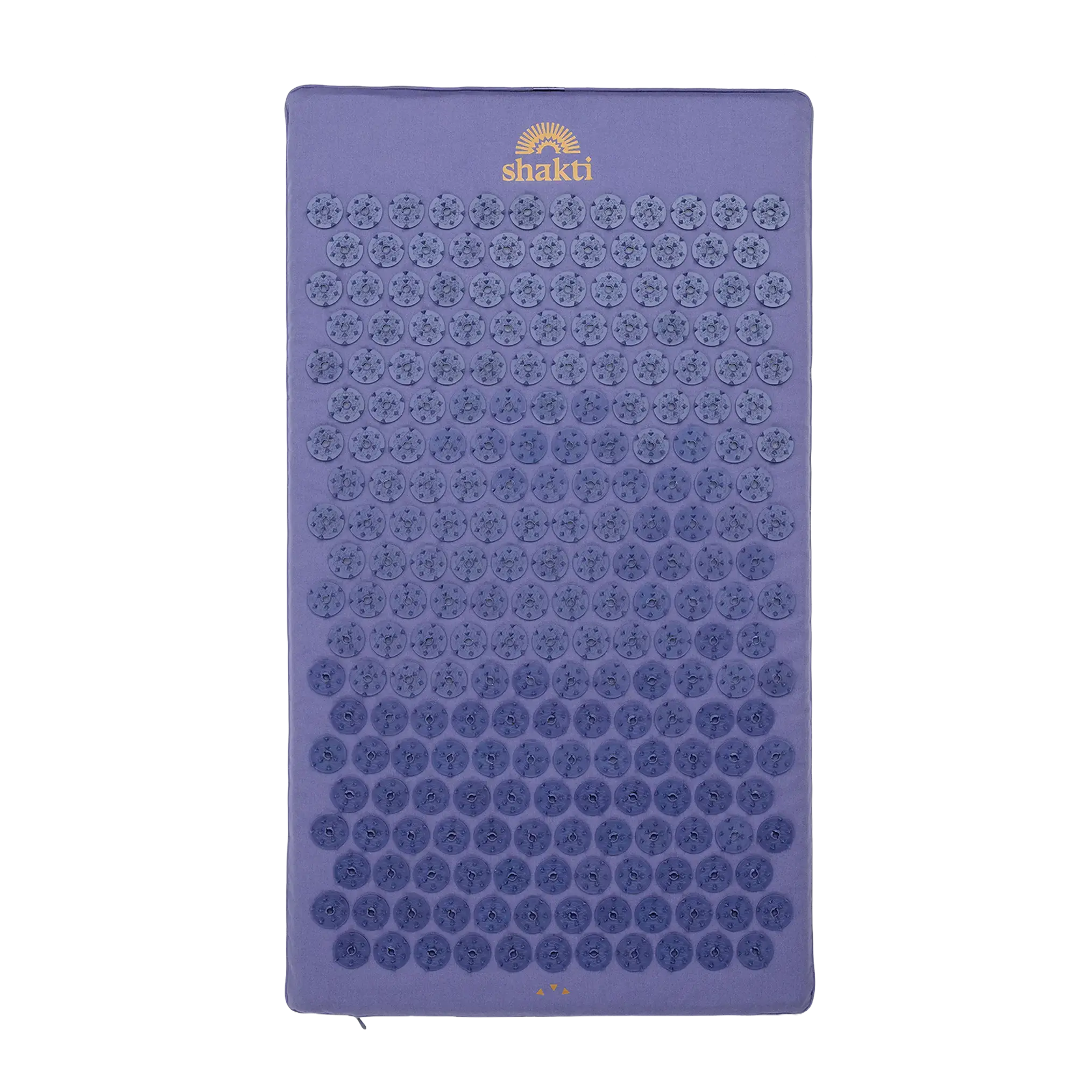
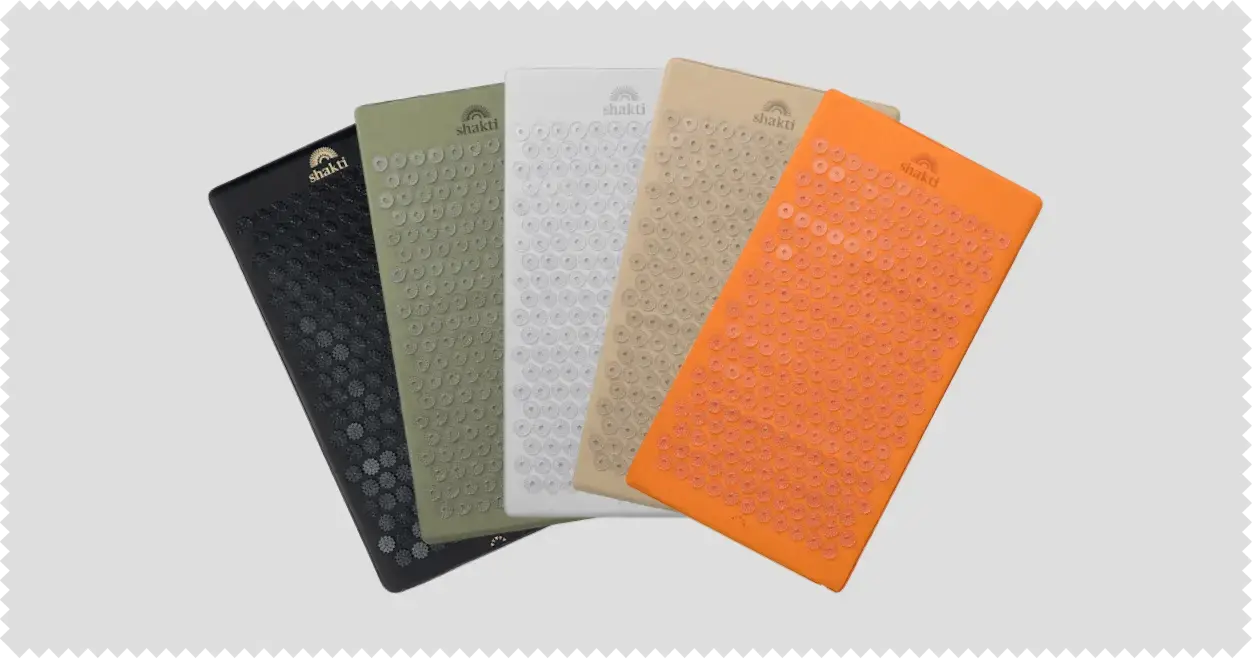
Acupressure is a Chinese technique that dates back thousands of years. As you relax on the acupressure mat, your vagus nerve is stimulated—a nerve responsible, among other things, for digestion, muscle relaxation, and overall well-being. The mat’s small plastic spikes apply gentle pressure to your skin. Whether it’s your back, neck, arms, legs, abdomen, or even the soles of your feet—after just a few minutes on the acupressure mat, many people report a calming effect and a deeper sense of relaxation that lasts.
Acupressure is therefore an excellent insider tip for preventing and relieving jaw pain. You can also easily use an acupressure pillow during short breaks at your desk by resting your face on its side. In addition, you can incorporate acupressure into your meditation or combine it with other relaxation sessions. This is a completely natural way to promote lasting physical well-being—and it’s not just good for your jaw.
Conclusion: How to Treat One-Sided Jaw Pain on the Right or Left Side
Jaw pain is no laughing matter—whether it’s on one side, both sides, the left, or the right, it disrupts your concentration and makes eating and other everyday activities a struggle. Small remedies like cooling compresses or pain relievers can provide temporary relief, but they don’t address the underlying causes of your discomfort in the long term. That’s why it’s important to see a doctor to determine the causes of your temporomandibular joint pain.
Often, one-sided jaw pain—especially on the right or left side—is caused by stress, which can lead to muscle tension, teeth grinding, or headaches. A night guard prescribed by your dentist prevents you from clenching or grinding your teeth at night. You can also effectively combat muscle stiffness and inner restlessness with helpful relaxation techniques such as acupressure, which has been shown to improve your physical well-being.
