










You wake up in the morning and your face feels like you’ve been cracking nuts with it all night. A dull ache in the joint, tension radiating up to your temples, or an unpleasant clicking sound when you yawn— jaw pain has become a widespread problem. Ignoring it and “gritting your teeth” through it, however, is the wrong approach. Your jaw is a highly sensitive precision instrument that’s closely linked to your nervous system and your overall body posture. In this guide, we’ll take a look together at why your jaw is acting up, what’s behind the symptoms, and how you can get it to relax again using simple methods.
TL;DR / The Bottom Line:
- Jaw pain is usually a physical manifestation of stress and poor spinal posture.
- The goal should be to stop the “biting reflex” caused by stress and correct muscular imbalances in the temporomandibular joint.
- The result: less morning stiffness, fewer stress-related headaches, and the ability to open your mouth more freely.
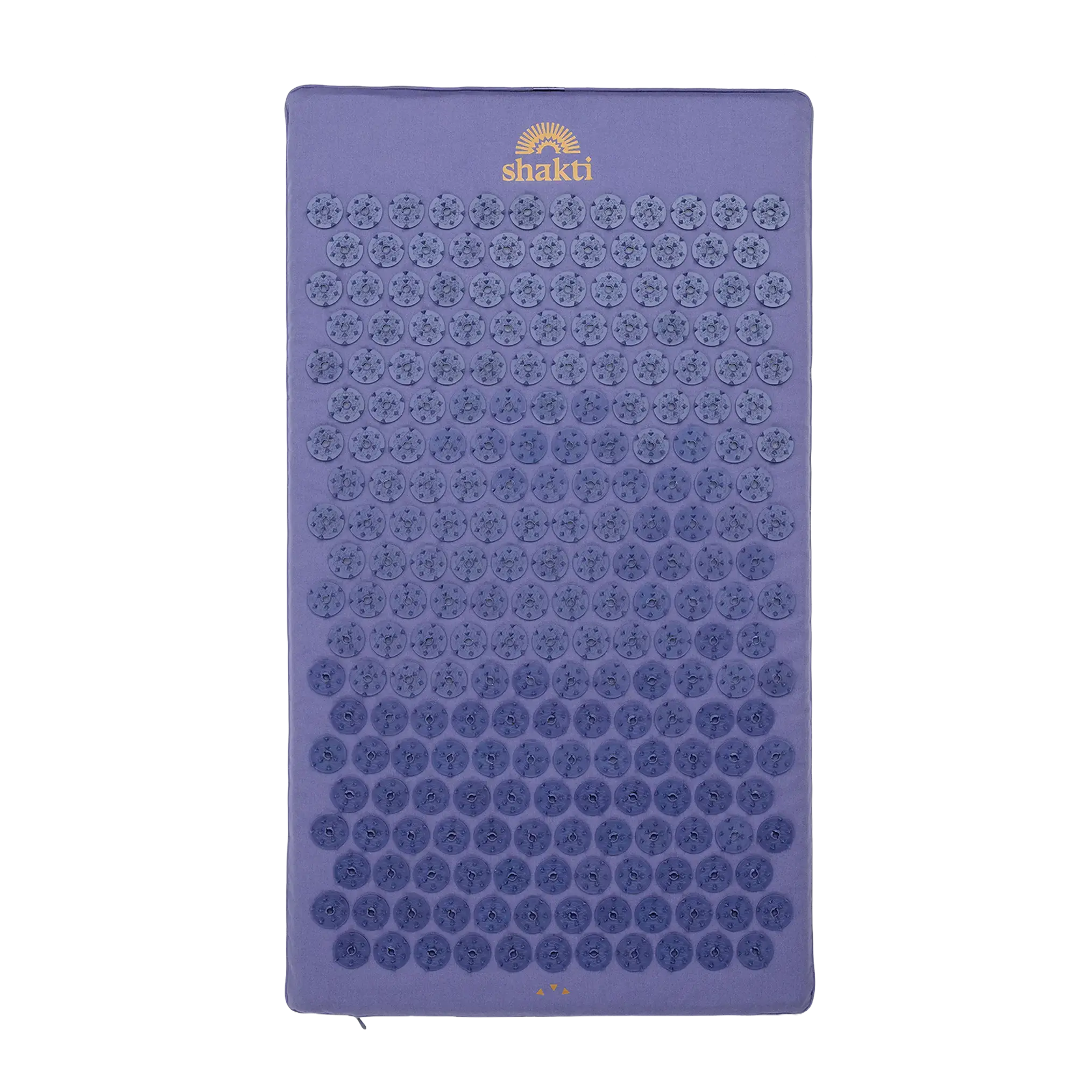
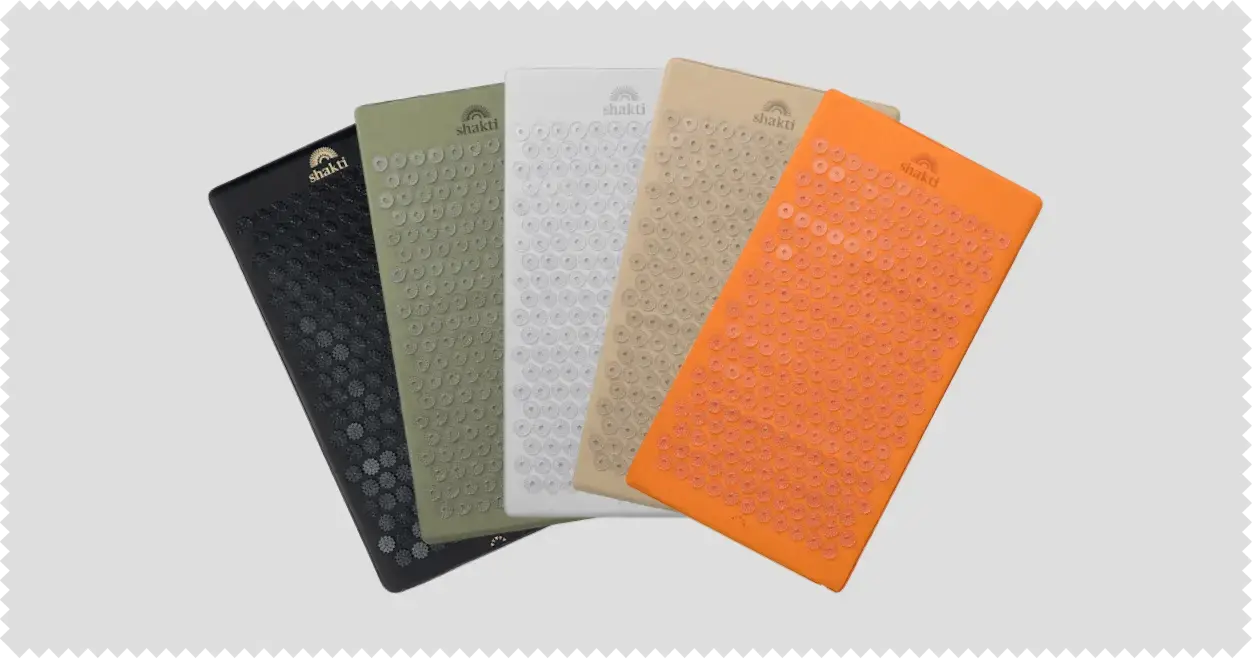
- Targeted acupressure (Shakti Mat), gentle self-massage of the chewing muscles, and ergonomic adjustments can help.
- Only a combination of physical relaxation and mental stress relief can provide long-term relief.
Content
1. The Anatomy of Jaw Pain: Where Does the Aching Come From?
2. When the Chewing Muscles and Jaw Are Tense: Symptoms
3. Pain on One Side of the Jaw: Why Only on One Side?
4. Causes of Jaw Pain: The Investigation
5. What Helps Relieve Jaw Pain? Immediate Measures and Long-Term Strategies
6. The Shakti Mat: Your Secret Weapon Against Tension
7. Practical Exercises for Everyday Life
8. Conclusion: Taking It Easy as a Life's Work
The Anatomy of Jaw Pain: Where Does the Aching Come From?
To understand why you have jaw pain, let’s take a quick look beneath the surface. The jaw joint—medically known as the temporomandibular joint (TMJ)—is one of the most complex joints in your body. It connects the lower jaw to the temporal bone of the skull and allows for movement in three dimensions: opening and closing, moving the jaw forward and backward, and grinding from side to side. When this system becomes unbalanced, it’s often referred to as craniomandibular dysfunction (CMD). It’s important to distinguish exactly where the pain is located. Do you experience pain in your lower jaw that feels like muscle soreness, or is the problem deeper within the joint itself?
The discomfort often radiates to the upper jaw as well. Pain in the upper jaw is frequently mistaken for dental problems or sinus infections, but the cause often lies in the muscles that pull the jaw upward. If you even feel that your bone tissue is tender, this could indicate chronic strain. The joint is protected by a disc—a kind of shock absorber made of cartilage. If this disc slips out of place or wears down due to constant pressure, it causes the typical grinding noises and pain in the jawbone or temporomandibular joint, which can drive many sufferers to distraction.
When the Chewing Muscles and Jaw Are Tense: Symptoms
The signs of a problem in the masticatory system are varied and often deceptive, as they do not always manifest directly in the oral cavity. A tense jaw does not necessarily show up in the jaw first—but often with a time lag and sometimes in completely different parts of the body. For example, many people first experience earaches, tinnitus, or dizziness without realizing that the cause lies just a few centimeters away in the temporomandibular joint. A classic sign is limited mouth opening: You notice while eating an apple or laughing heartily that your jaw is locked or only opens wide with pain. It becomes a bit more obvious when symptoms like a tense chewing muscle manifest—in these cases, you can often feel hard knots in the cheek muscles. These so-called trigger points can project pain into the jaw and even extend behind the eyes or down to the neck. This phenomenon is particularly noticeable when you experience jaw pain after sleeping. If you wake up in the morning with jaw pain, it’s an almost certain sign that you’re “chewing on” your worries at night. Your body isn’t using sleep for recovery, but rather to cope with stress by clenching or grinding your teeth intensely, which puts the muscles in a state of maximum tension for hours on end.

Pain on One Side of the Jaw: Why Only on One Side?
One phenomenon that unsettles many patients is when jaw pain occurs on only one side. Why does it only hurt on the right, while everything seems fine on the left? Or why does the left side hurt, while there’s no pain at all on the right? Our bodies are rarely perfectly symmetrical, and we tend to develop one-sided habits. Perhaps you prefer to chew on the left side, always hold the phone wedged between your right shoulder and ear, or rest your head on the same arm while reading. These asymmetrical stresses cause the muscles to be exercised and strained unevenly.
- Unilateral jaw pain—on the right side: Often associated with dominant-hand use (in right-handed people) or poor spinal posture, which affects the pelvis and, consequently, the entire postural alignment, extending all the way to the jaw.
-
Pain on one side of the jaw—left: This can be caused by sleeping on one’s side or by specific misalignments of the teeth on that side.
Sometimes the other side follows soon after, but especially when the jaw pain remains on one side, it is important to consider the posture of the entire body. A pelvic misalignment or a blockage in the upper cervical spine can extend all the way to the jaw via myofascial chains. The body tries to compensate for the imbalance, and the weakest link in the chain—often the temporomandibular joint—eventually gives way under the constant strain.
Causes of Jaw Pain: The Investigation
Identifying the causes of jaw pain is often like detective work, since it’s rarely due to a single factor. Of course, mechanical factors play a role: crowns that are too high, poorly fitting bridges, or general misalignment of the teeth can disrupt the “bite.” But these days, the psychological component is often even more decisive. Jaw pain caused by stress is the classic symptom for people who are, quite literally, “biting their way through life.” Stress hormones like cortisol increase muscle tension throughout the body, but the jaw reacts particularly sensitively because, from an evolutionary perspective, it is closely linked to aggression and defense reflexes.
In addition to psychological factors, modern ergonomics also plays a detrimental role. We spend hours in the “turtle posture” in front of our laptops or smartphones. The head shifts forward, the neck shortens, and the lower jaw is forced into an unnatural position by gravity and the pulling force of the neck muscles. This combination of mental stress and poor posture creates the perfect breeding ground for chronic ailments. Lack of sleep and poor sleep quality also prevent the muscles from regenerating at night, which further fuels the spiral of pain and tension.

What Helps Relieve Jaw Pain? Immediate Steps and Long-Term Strategies
If you, too, are asking yourself, “Jaw pain—what should I do?” here are a few suggestions from us. The first step? Usually, it’s a visit to the dentist to have a mouthguard made. This will at least protect your teeth from wear and tear if you grind your teeth a lot. However, it often doesn’t address the root cause of the muscle tension. That’s where physical therapy comes in. Specialized TMJ treatment can help you manually release the tight muscles.
But is there anything you can do yourself in your daily life? Of course! Heat, for example, is a wonderful remedy: A warm cherry pit pillow placed on your cheeks relaxes the fascia and promotes blood circulation. Gentle self-massages of the masseter muscle (the large chewing muscle below the cheekbone) can also work wonders.
In the long run, however, only a lifestyle change will help. You need to learn to identify and reduce your stressors. Relaxation techniques such as autogenic training or progressive muscle relaxation are effective, but they require discipline. A tool that can promote relaxation almost “passively”? The Shakti Mat! Since the jaw doesn’t exist in isolation but is connected via the deep frontal line to your neck, your diaphragm, and even the soles of your feet, you need to address the entire body to release the jaw.
The Shakti Mat: Your Secret Weapon Against Tension
The Shakti Mat can be a real game-changer for many issues, including a tense jaw—even if you don’t actually rest your face directly on the spikes. The effects of acupressure are based on stimulating blood flow and the release of endorphins and oxytocin—the body’s own “feel-good hormones.” When you lie down on the mat, your parasympathetic nervous system is activated. This is the part of your nervous system responsible for rest and healing. Since jaw pain is often caused by stress, this deep relaxation is exactly what your jaw needs to let go of the tension for a moment.
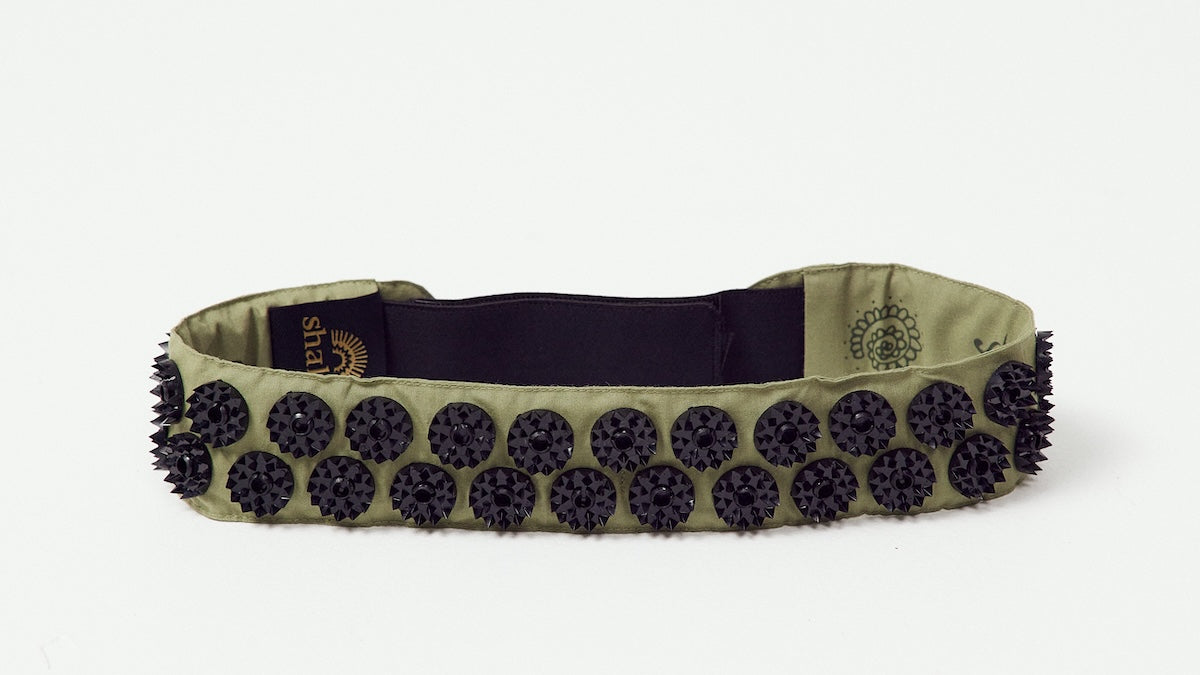
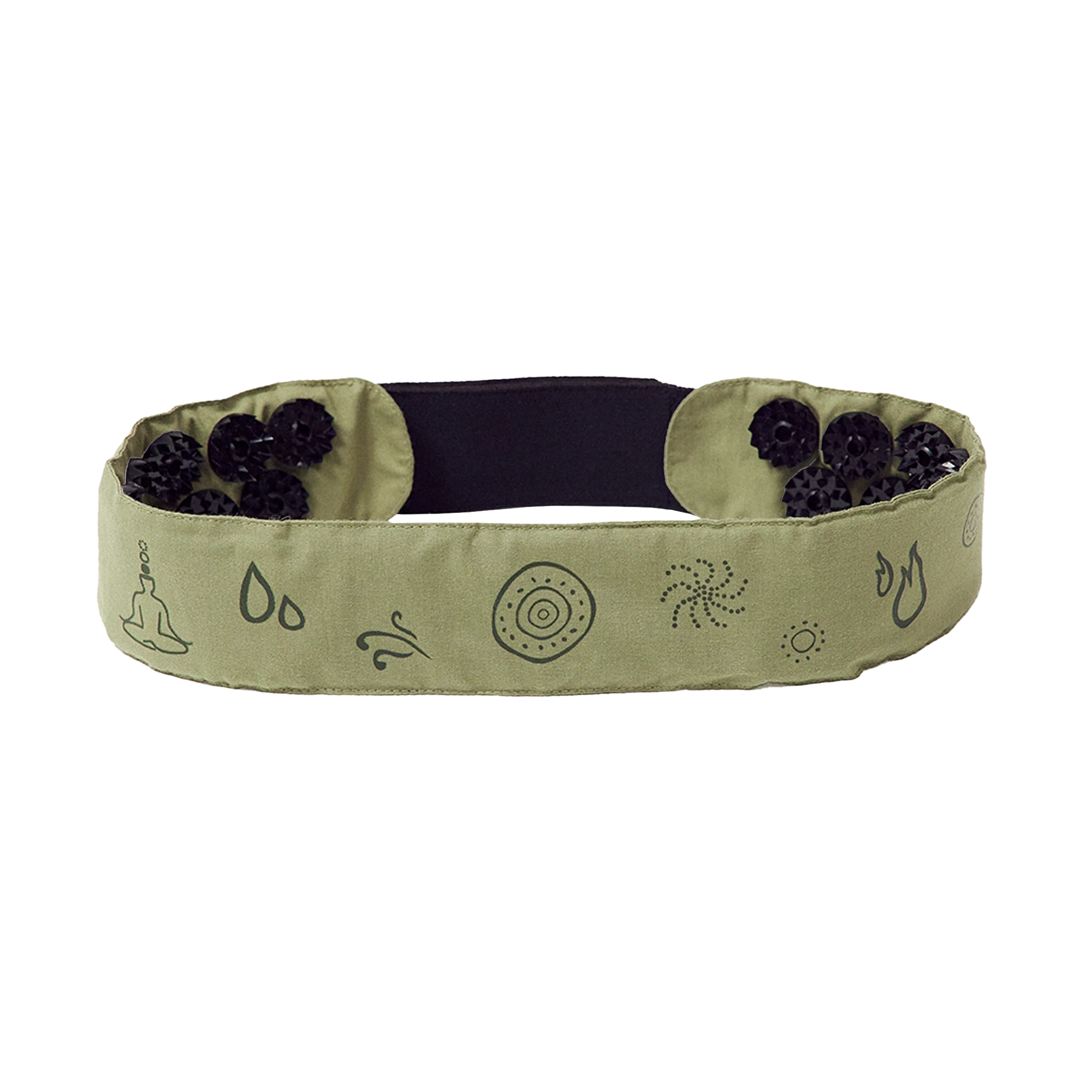
- Focus on the Neck: Use the Shakti Pillow or a rolled-up mat under your neck. Since the neck muscles are directly connected to the jaw muscles, relaxing the neck often immediately relieves tension in the face.
- Back Relaxation: Lying on the mat improves blood flow to all the muscles in your back. Since poor posture in the back is often the root cause of jaw pain, the mat helps relax your entire body.
Just 20 minutes on the mat in the evening can make the difference between falling asleep with a relaxed face and waking up in the morning with jaw pain. The mat forces you to stay still for a moment and breathe deeply into your belly. This belly breathing signals to your brain: “We’re safe.” And a brain that feels safe no longer tells your jaw muscles to brace for a fight and clench your teeth. Feel free to read more about this in our article on relieving jaw pain with acupressure.

Practical Exercises for Everyday Life
In addition to acupressure, you can also incorporate small exercises into your day. For example, try placing your tongue loosely against the roof of your mouth, just behind your upper front teeth, without letting your teeth touch. This is the jaw’s natural resting position. Whenever you notice that you’re clenching your teeth, let your lower jaw hang loosely and take a deep breath through your nose. You can also use your fingertips to gently make circular motions on your jaw joint while slightly opening and closing your mouth. This mobilization helps distribute the synovial fluid and release adhesions in the fascia.
Here’s another tip for your desk: Make sure your screen is at eye level. If you’re staring down, you increase the strain on the front neck muscles, which can inevitably lead to a tense jaw. Get up more often, and stretch. Your jaw benefits from movement that isn’t related to chewing or speaking. Making funny faces, sticking your tongue out as far as you can, or gently moving your lower jaw from right to left are great ways to loosen up your muscles every now and then and stimulate blood flow.
Conclusion: Taking it easy as a life's mission
Jaw pain is definitely more than just a localized problem; it’s your body’s way of signaling that the balance between tension and relaxation has been disrupted. Whether it’s one-sided jaw pain that’s bothering you or that morning stiffness—take these signals seriously. It’s about becoming more flexible—in your jaw, in your neck, and in your outlook on life. With a combination of dental evaluation, ergonomic adjustments, and regular breaks on your Shakti Mat, you’ll give your body the tools it needs to heal itself. Remember: You don’t have to “grit your teeth” and power through everything. Sometimes the best thing you can do is simply let go.
