












An urgent task requires your full attention—but your thoughts keep wandering. When you feel like your ability to concentrate is letting you down, everyday life becomes a challenge. Often, your body is sending you a message: you lack the inner calm needed to relax and focus on your work or a specific situation.
With the right tools, you can quickly and easily improve your ability to concentrate. Find the approach that works best for you and learn how to use a few clever tricks to take your concentration to the next level.
The most important thing for you:
- The ability to concentrate describes our capacity to maintain focus on the here and now over an extended period of time
- If symptoms such as mental wandering, a decline in performance, or memory problems occur regularly, this is referred to as a lack of concentration
- Possible causes of concentration problems: excessive media consumption, stress, poor eating or sleeping habits, inner restlessness, physical and mental illnesses
- Smart Life Hacks for Better Concentration: Effective Time and Work Management, Creating a Distraction-Free Environment, Relaxing the Body, and Boosting Motivation
- Organizational tips, little boosts for your well-being, and natural relaxation methods like acupressure will guide you step by step back to full concentration
Content
1. Ability to concentrate: What exactly does that mean?
2. Typical Signs of Difficulty Concentrating
3. Possible Causes of Difficulty Concentrating
4. Improving Your Ability to Concentrate - Life Hacks
5. Conclusion: Here's How You Can Naturally Improve Your Concentration
Ability to Concentrate: What Exactly Does That Mean?
The ability to concentrate indicates how well we can focus our attention on a specific topic or situation. It’s perfectly normal that you can’t maintain your concentration indefinitely. If you can focus on an activity for a long period of time without any trouble, you have a very good ability to concentrate. If, on the other hand, you’re easily distracted, that tends to indicate a lack of concentration. But don’t worry: Your ability to concentrate can be trained!
How well you can concentrate in your daily life depends on many different factors. The first step is to identify all the key triggers that affect your ability to concentrate. This guide will help you find the best tips for improving your concentration.
Typical Signs of Difficulty Concentrating
Concentration problems in adults often manifest themselves at work or during the hustle and bustle of everyday life. But a lack of concentration can also be a problem for children at school.
Difficulty concentrating often manifests itself through the following signs:
- Thoughts that regularly wander or quick distractions caused by external stimuli
- Decline in performance
- Memory problems
- Inability to concentrate on the same task for an extended period of time
- Problems following a conversation, a movie, or something similar
Everyone experiences a brief lapse in concentration from time to time. It’s okay to let your eyes wander across a page of a book and then realize you weren’t actually reading along. However, if you frequently have trouble focusing your attention on a specific task, it may be worth looking into the causes.


Possible Causes of Difficulty Concentrating
One of the main factors contributing to concentration problems today is the increasing consumption of media. Long periods of screen time, heavy internet use, and hours of scrolling through social media apps—which specifically train the brain to have short attention spans—harm our ability to concentrate. However, external factors as well as physical or mental health conditions can also play a role.
This can cause or worsen difficulty concentrating:
- excessive use of highly stimulating media, particularly social media ("doomscrolling")
- Overwork, stress, or sleep disorders
- unhealthy habits in daily life, such as not getting enough sleep, poor diet, or lack of exercise
- physical symptoms such as headaches, iron deficiency, circulatory problems, or chronic fatigue
- mental health conditions such as ADHD or depression
- Side effects of medications or alcohol
If you have chronic difficulty concentrating, it’s a good idea to identify the triggers through professional counseling. This will make it easier for you to choose the right tools to help you focus.
Improving Your Ability to Concentrate - Life Hacks
Where was I? Why is this task so hard for me? And what was I supposed to do in this room again…? Everyone has had moments like these. A small distraction, and suddenly your thoughts are somewhere else entirely. The good news is: With just a little practice and a few clever tricks, you can improve your ability to concentrate.
What can help with difficulty concentrating?
- Work Planning: Create clear work plans or to-do lists to keep track of your upcoming tasks. It’s best to break tasks down into small steps and prioritize them. Smaller steps require less effort and can be checked off quickly. High-priority tasks naturally come first—but if you need a little boost to get started, it can also help to begin with a more enjoyable task.
- Time Management: You probably know best when during the day your ability to concentrate is at its peak. Try to schedule challenging tasks during those hours. Taking regular, short breaks between work sessions—ideally outdoors—further boosts your concentration.
- Avoid Distractions: Boost your concentration from the start by setting up a low-distraction workspace. Put your cell phone out of reach, turn off notifications, and maybe even block distracting websites—all of this will help you focus exclusively on your tasks. Coordinate with others to avoid distracting conversations and multitasking while you’re working. If a completely new idea pops into your head while you’re working, you can, for example, jot it down on a piece of paper and set it aside for later to keep your mind clear.
- Physical Well-Being: Your ability to concentrate improves dramatically when you feel good. A cozy, bright, and well-ventilated workspace at the right temperature, where you have everything you need within reach, promotes inner calm and helps you focus. Also, make sure to stay hydrated and have some small snacks on hand. Whole grains, nuts, and vitamin-rich fruits are better for boosting your concentration than heavy meals.
- A Positive Mood: Mindfulness training, yoga and meditation exercises, or classical music can improve concentration in both adults and children. But our ability to concentrate also depends heavily on our mood. Small, playful rewards can give you extra motivation. In addition, specific relaxation techniques, such as acupressure, can have a positive effect on your ability to concentrate.

Acupressure—what is it?
Acupressure involves stimulating the vagus nerve using small spikes. Gentle pressure applied to specific points along your back, as well as on your limbs, chest, or abdomen, helps relieve tension and activates your body’s natural healing abilities.
In this way, this millennia-old technique releases “happiness hormones” in the body. This not only has a relaxing effect but also acts as a completely natural mood booster. It has been proven to reduce stress, pain, and other ailments, allowing you to achieve a deep, soothing sense of calm in both body and mind. A real hidden gem—not just if you want to get through the workweek feeling relaxed.

Improve Your Concentration with Acupressure
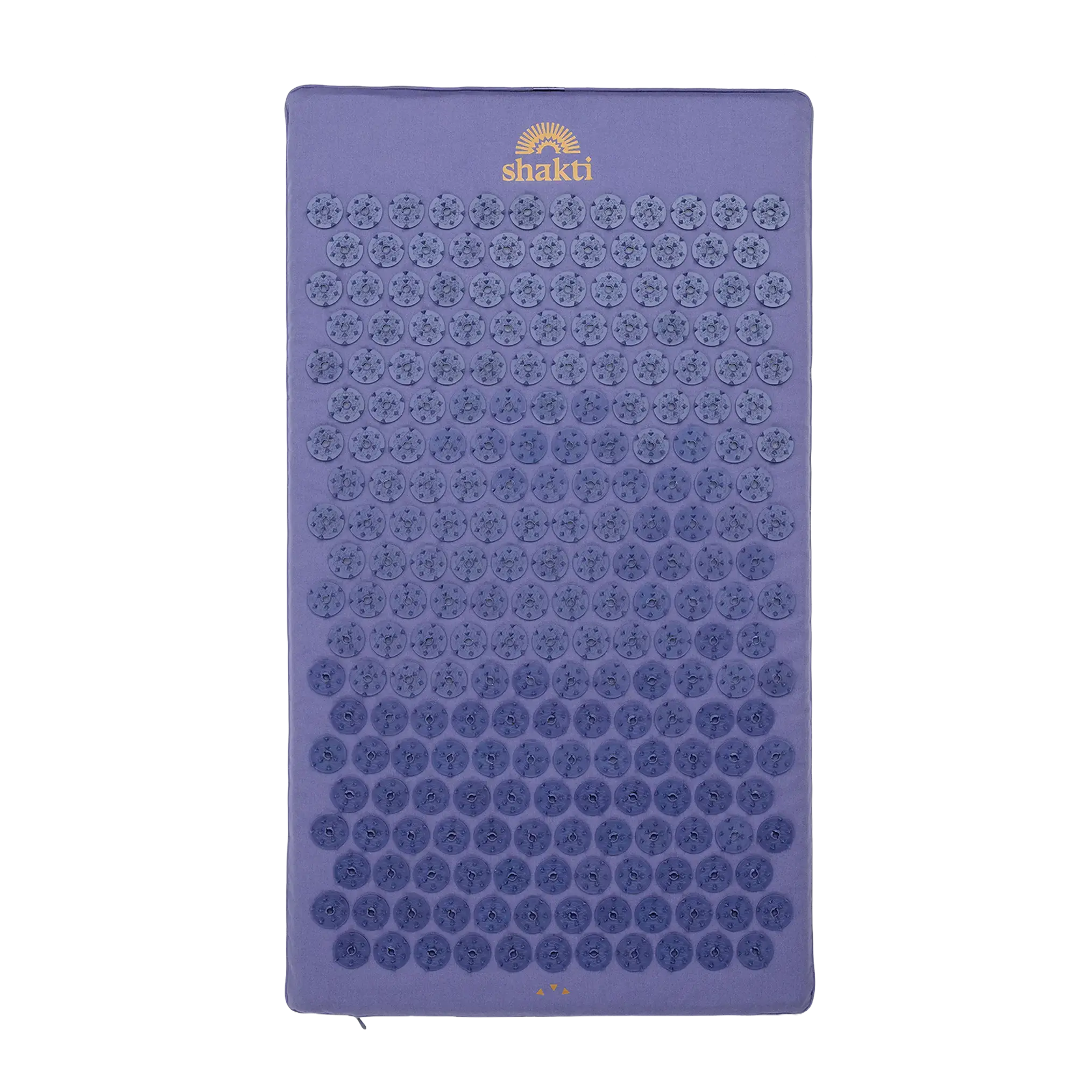
So what does this have to do with the ability to concentrate? It’s simple: inner peace and balance are key to sustained concentration. Just a few minutes on the Shakti Mat acupressure mat can help you lower your heart rate, organize your thoughts, and thus improve your ability to concentrate.
Long hours of sitting at work often cause tension in the shoulders and neck. This leads to headaches and muscle stiffness, which can interfere with your concentration. To address this specific issue, acupressure on the neck area is particularly effective. However, some people also report deep relaxation and improved concentration—and even a reduction in ADHD symptoms—from acupressure on the abdomen or chest.
Meditation also helps clear the clutter from your mind and restore inner peace. A quick tip from Shakti Mat: You can also incorporate meditation and acupressure into a short relaxation session during your lunch break or as a way to wind down in the evening. If you’d like to try specific mindfulness exercises to improve your ability to concentrate, acupressure can help with that, too.
Conclusion: Here's how you can naturally improve your concentration
To improve your ability to concentrate, you can use a variety of simple tools. These include, among other things, effective task and time management, as well as setting up your workspace properly. By avoiding distractions in your work environment and making sure your body gets enough water and nutrients, you allow yourself to find inner peace. This contributes to your concentration just as much as a positive attitude and motivation.
No need to despair! Good organization, smart self-care tips, and natural methods like acupressure keep your body and mind in good shape and can improve your concentration as you tackle your daily routine.
