












You’re tired, restless, and your eyes keep wandering to your phone. Everyone has moments when their concentration wanes. However, if this lack of focus consistently leads to problems with your performance, it can be very frustrating. Simple, short concentration exercises can help you focus better and improve your concentration over the long term.
TL;DR/The Bottom Line:
- A lack of concentration can, over extended periods of time, lead to poor performance, dissatisfaction, and a negative impact on mental health.
- Common causes: a constant flood of information, stress, lack of sleep, and physical or mental ailments
- Concentration exercises are a useful tool for training your inner focus and can be easily incorporated into many daily routines.
- Popular concentration exercises for adults: mindful breathing, attention training, word or number puzzles, memory games, drawing, and movement exercises
- A long-term improvement in concentration enhances quality of life both at work and at home.
Content
1. Can concentration exercises improve quality of life?
2. Training Your Concentration—With the Right Exercises
3. 10 Concentration Exercises for Adults
4. Conclusion: Concentration exercises will help you rediscover your inner focus
Can concentration exercises improve quality of life?
How effective are concentration exercises, really? In the modern world, the constant flood of information has become a challenge, especially for adults. In many professions, people work with numerous tabs open, using multiple tools, and on at least two screens at the same time—not to mention the additional distractions from cell phones, emails, pop-ups, and notification alerts. Constant availability and the abundance of images, text, and videos we scroll through every day quickly drain the energy we need to stay focused for extended periods of time.
Of course, everyone has a limited ability to concentrate. Hardly anyone can focus on a task or activity for hours on end at will, especially when there’s something unpleasant to do or colleagues are loudly discussing the latest soccer game in the background. But the good news is: You can train your ability to concentrate!
Staying Focused in a Stressful Daily Routine
Anyone who struggles with poor concentration amid the hustle and bustle of everyday work life usually notices it in the form of trouble focusing, a drop in performance at work or during sports, memory problems, or an inability to follow along in conversations, movies, or books. As an active participant in traffic or in professions involving social responsibility, repeatedly wandering thoughts can even become a serious danger to you and those around you. At the very latest, when your boss raises an eyebrow menacingly at your latest careless mistake, you need to find a solution.
Problems with Consequences
Typical consequences of chronic concentration problems include not only poor performance and conflicts with coworkers and supervisors. In most cases, silent frustration and dissatisfaction also grow unnoticed; the pressure mounts, and you become easily irritable and unhappy, both at work and in your personal life. To prevent yourself from slipping deeper into this downward spiral and to help you regain your inner peace and former peak performance with minimal effort, concentration exercises—alongside daily organization and self-care—can be an effective strategy.
Training Your Concentration—With the Right Exercises
In some cases, reducing media consumption, getting more sleep, exercising, eating a healthy diet, and actively reducing stress can already yield positive results. However, regular concentration exercises are more effective for training your attention span and inner focus over the long term. As a small part of your daily routines, they train your concentration and help your memory recall everything it’s actually capable of.
The challenge often lies in choosing the right exercises that still fit into an already packed daily schedule. Ideally, they should be easy to integrate into your normal routine every day and at any time, without having to change locations or reschedule appointments and habits. This way, you can incorporate your favorite exercises in a playful way and boost your memory, attention, and concentration without forcing yourself. And maybe you’ll even have a little fun with one or two of them.


10 Concentration Exercises for Adults
Everyone functions a little differently and has their own preferences. That’s why you shouldn’t view our suggestions as a strict sequence of concentration exercises that must always be done exactly as described. Just choose the concentration exercises that make you feel comfortable and fit best into your daily routine.
1. Pause — Breathe — Ground Yourself
When the hustle and bustle and time pressure throw you completely off balance yet again, it’s sometimes a good idea not to jump right into challenging concentration exercises, but instead to slow down a bit first. After all, inner restlessness and a whirlwind of panicked thoughts are, as we all know, the arch-enemies of concentration.
- Take a moment: It sounds strange, but it’s a serious tip for improving concentration: Just have a quick conversation with yourself. Say out loud to yourself what you’ve already done or learned, what you need to do next, and what your goal looks like—and maybe also how you’re feeling about this task and where potential problems might lie. This way, you can gather your thoughts and bring your racing mind to a halt.
- Breathing: Sit up straight, place your hands on your stomach, and take a deep breath in through your nose and out through your mouth. With each breath, your stomach should slowly rise and fall beneath your hands. Pay attention to the sensation of the air flowing in and out, and try to exhale as if you were saying a long, quiet “ha.”
- Grounding: This isn't really a concentration exercise—but a hot water bottle or a cherry pit pillow on your lap can help you relax even more and ground yourself through the weight on your legs. Of course, you can also use a heavy Pillow room temperature if the heat bothers you.
2. Basic Mindfulness Exercises
To keep your mind in the here and now for a while, just a few minutes of simple mindfulness practice can help. The idea is to consciously focus your senses on something specific. You can use the following concentration exercises to do this:
- Maintain eye contact: Place any object on the desk in front of you and try to focus exclusively on it for at least three minutes. What shape is the object? What color? What pattern, details, and unique features does it have? What does the shadow look like? Set a timer beforehand if you want to time it exactly. If you’re out and about, you can of course focus on other things as well—such as a picture on the wall of a waiting room or the seat cushion on the subway.
- Listening: Alternatively , you can close your eyes for the allotted time and pick out a specific sound in your surroundings. Just listen to that one sound and try to block out all your thoughts.
- With All Your Senses: A popular exercise for improving concentration involves choosing one specific thing for each sense, one after another. An object you see, a sound you hear, something you feel, smell, or taste. Simply do this exercise during short breaks throughout the day, calmly and mindfully.
3. Focusing with Words
Reading isn't just a relaxing hobby for bookworms. It also increases cognitive flexibility, stimulates the imagination, and makes it easier to process information correctly—which, in turn, benefits you at the office. If you enjoy reading and playing with words, you can also use this to effectively practice your concentration: For example, pick out long words whose letters can be rearranged to form new words. Or see how many rhymes you can come up with for a specific term. Some apps incorporate these concentration exercises into fun brain teasers that you can try. But be careful: Playing word games on paper is safer than reaching for your phone, which can be distracting!
4. Focusing on Numbers
Do you prefer juggling numbers rather than letters? No problem—number puzzles and simple math problems can also boost your ability to concentrate. From timeless classics like Sudoku to calculating the sum of digits in PINs, IP addresses, and phone numbers, anything is possible. And if you can’t quite find your inner math nerd right now: simple counting is also an effective concentration exercise, whether you’re focusing on your breaths, steps, stair steps, or—for a moment—the dripping faucet in the coffee kitchen.
5. Memory Training
Simple memory games in everyday life not only improve concentration but also strengthen short-term memory. For example, on your way to work, pick out three specific things that catch your eye (such as “yellow car,” “man with a lawn mower,” “smiley face on the doorbell”) and try to memorize them so that you’ll still remember them by the evening. It gets more challenging with classic brain teasers like “I’m Packing My Suitcase,” which, as a fun concentration exercise, can brighten up the lunch break—and not just for kids.
6. A Change in Thinking
If you want to really challenge your brain, you can try some backward or cross-word exercises.
- Backward: Come up with a few short sentences and try to write them down word for word in reverse—or even mirror-reversed—using your non-dominant hand.
-
Cross-handed: Routine dulls the mind. So how about this: if you’re right-handed, try holding the mouse in your left hand for an hour? Other everyday movements also require some concentration when performed consciously with your non-dominant hand. You can also do typical cross-hand exercises like “tap your head with your left hand, rub your stomach in a circular motion with your right hand,” and vice versa.
7. Painting
At school, just about everyone has been scolded at some point for doodling in the margins of their notebooks. But drawing is actually a wonderful way to stay focused—especially when listening. Whether you’re in the middle of a stressful phone call or just want to give your mind a few minutes’ rest, short, artistic digressions are perfect. Whether you prefer to draw stick figures, color a pattern in the squares of graph paper, or create mini-masterpieces on sticky notes that then become coveted collectibles in the office—let your imagination run wild! You’ll notice that after just a few minutes, you can get back to work with renewed focus—so doodling is definitely allowed.
8. Exercise
Especially in jobs that require long periods of sitting, taking regular breaks to move around—such as going for a walk in the fresh air—would, of course, be ideal. In reality, however, time constraints or strict break policies don’t always allow for this. An effective alternative is to briefly stand up and stretch, do some simple calisthenics, or toss a tennis ball—just please don’t throw it at the wall of the neighboring office, where someone else is trying to concentrate! Even with balance exercises like standing on one leg, you focus entirely on yourself and your physical balance. If you can’t get up discreetly without disturbing your coworkers, you can turn finger exercises into simple concentration exercises: Use your remaining fingers to touch your thumb one by one, then do the same with your index finger, and so on, on both your right and left hands.
9. Pomodoro Technique
The Pomodoro Technique is both a concentration exercise and a popular method for overcoming the mental barrier to tackling unpleasant tasks. To do this, divide your workday into small time blocks alternating between 5 and 25 minutes. Each 25-minute segment is dedicated to fast, focused work—always followed by a 5-minute break. The promise of a recurring break after each period of concentration motivates many people to stay on task and can help prevent their attention from wandering for extended periods.
10. Calming the Mind
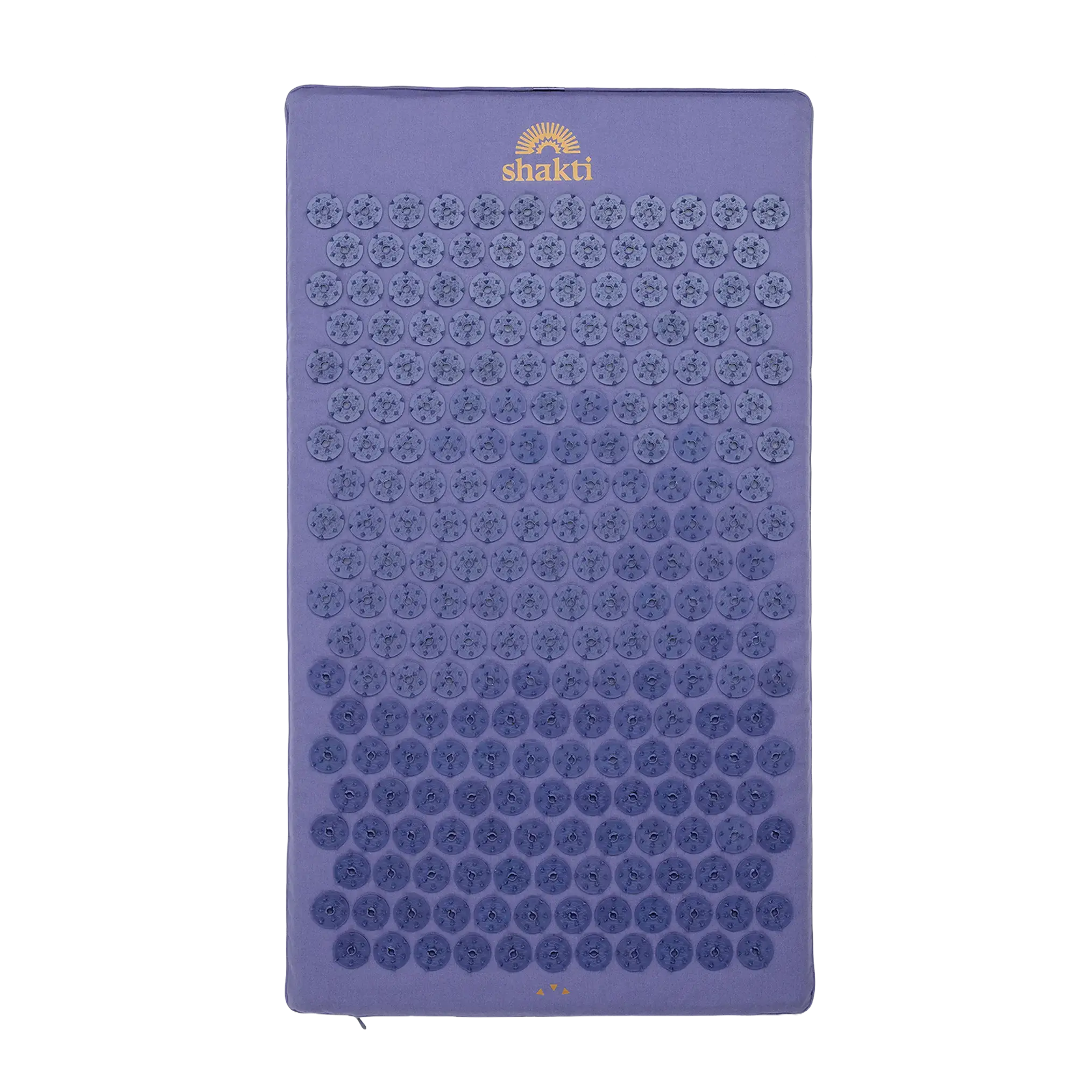
Physical relaxation and healthy stress management play an important role in helping your mind find lasting peace, which in turn creates space for focused reflection. Yoga, short meditation sessions, or acupressure are popular methods for creating the right conditions for this—not just before or after work. For example, the Shakti Mat acupressure mat can be comfortably placed under your feet or buttocks at your desk, or on the back of your neck during short breaks, to relax your muscles and help you regain your inner balance.

Conclusion: Concentration exercises will help you rediscover your inner focus
Whether you want to calm your racing thoughts with targeted breathing exercises, challenge your memory, or prefer to focus on playful attention training—with the right concentration exercises for your daily life, you can strengthen your ability to concentrate in the long term. Even just a few minutes of rest for your senses or a regular exercise routine on your morning commute to the office is enough to achieve the desired long-term effect. Relaxation techniques like yoga and meditation also help calm your mind and regain your inner focus. This way, you not only improve your overall concentration and mindfulness but also foster greater satisfaction, success, and energy—all of which benefit your entire body and enhance your quality of life, both professionally and personally.
