












Piles of work, finances, family obligations: The daily life of modern people is marked by stress, pressure, and a hectic pace. It’s hardly surprising, then, that issues like muscle tension and pain are becoming increasingly common. Unfortunately—because these psychosomatic symptoms not only limit general well-being and quality of life, but can also, if ignored, lead to chronic conditions. In this guide, we’ll show you why such complaints arise in the first place and what self-care measures you can take to relieve psychosomatic tension.
Contents
1 What is meant by psychosomatic tension?
2. when back pain is psychosomatic: What stress does to your muscles
3 What are the causes of psychosomatic complaints?
4 Mental tension: Symptoms and effects
5. therapy options for psychosomatic complaints
6. treat psychosomatic complaints yourself
7. relieving psychosomatic tension: the three best exercises
8. how to prevent tension caused by stress
What is meant by psychosomatic tension?
This situation probably sounds familiar to you: After a stressful day, you suddenly feel an uncomfortable tightness in your neck or a sharp pain in your shoulder area —the stress is literally “weighing on your shoulders” or “getting to you.” In this case, you may be dealing with what’s known as psychosomatic tension.
They occur when psychological stresses affect your body and translate into physical symptoms, such as muscle tension. Psychosomatic medicine assumes that thoughts, feelings and behaviors have an influence on the physical state of health and vice versa. Thus, persistent stress, anxiety or trauma trigger physical complaints, the true cause of which is often not recognized until late.
Good to know: The term "psychosomatic" comes from Greek and is derived from the words "psyche" (soul or mind) and "soma" (body). Therefore, "psychosomatic" refers to the connection between your mind and your body in terms of health.

When back pain is psychosomatic: This is what stress does to your muscles
Neck, shoulder and back pain are at the top of the list of common ailments. They are often the result of a lack of exercise, one-sided posture or physical overload. But they can also be psychosomatic.
Such pain should never be dismissed as imaginary—after all, it is just as real as symptoms caused by physical dysfunction. The only difference is that the root of the problem lies in the mind: as soon as stress comes into play, your body goes into fight-or-flight mode. The brain sends a kind of alarm that revs up the muscles and enabled our ancestors, for example, to flee to the nearest tree or attack the saber-toothed tiger. Once the “danger” has passed, the body relaxes again.
If the stress persists, the state of alert—including muscle tension—will continue as well—and your back, shoulder, and neck muscles will remain in a state of constant stress, which can lead to the familiar stress-related tension.
What are the causes of psychosomatic complaints?
If you want to relieve psychosomatic tension, it is important that you know the exact causes of your symptoms. The triggers for psychosomatic muscle tension are as varied and individual as the people themselves: They range from professional or personal stress and anxiety to unresolved conflicts or trauma.
- Tension caused by stress and anxiety: Stress and anxiety put your body into the "fight-or-flight mode" mentioned earlier. Your muscles tense up to cope with a potential dangerous situation. However, under prolonged stress, your body and muscles have no opportunity to relax again. To alleviate the pain caused by the tension, people often adopt a protective posture, which in turn causes tension in other areas. A classic vicious cycle.
- Tension caused by negative thoughts: Negative thoughts and emotional problems can also trigger psychosomatic tension. Your body and mind are closely connected—so what you think and feel inevitably affects your body. If you’re constantly plagued by negative thoughts or are emotionally stressed, your muscles may tense up.
- Trauma and unresolved conflicts: Have you not fully processed an experience from the past, or are you struggling with a current conflict? This stress can affect your physical health—for example, by causing your muscles to become tense and stiff.
- Social factors: Your social environment and relationships also influence your physical well-being. Conflicts within the family or at work, isolation, or bullying can cause stress and pressure, which may manifest as psychosomatic tension.
Mental tension: Symptoms and effects
Psychosomatic tension is responsible for a range of symptoms and can affect any part of the body. It is particularly often associated with pain and stiffness in the neck, back, or shoulder area —complaints that can trigger further symptoms such as headaches, sleep disturbances, fatigue, or a general feeling of tension. In addition, psychosomatic symptoms can manifest as follows:
- Chronic abdominal pain
- Digestive problems such as nausea, diarrhea or constipation
- Circulatory disorders
- Palpitations
- Dizziness
- Shortness of breath
- Skin irritations
- Irritability
- Change in eating behavior


Therapy options for psychosomatic complaints
As you now know, there are forms of pain and illness that cannot be directly attributed to a physical cause. That is why it is so important not to remain in the dark for too long and to get to the root of the problem —because only then can you resolve any psychosomatic tension and improve your quality of life.
There are a number of different therapeutic approaches available to you for the treatment of psychosomatic complaints:
Psychotherapy is recommended, for example, if you are suffering from an underlying mental illness such as depression or anxiety disorder. An initial consultation with a therapist can help you decide whether this form of therapy is right for you.
Resuming everyday activities, sport and social contact can also help to relieve psychosomatic tension. Especially if you have withdrawn because of your symptoms, such activities can have a healing effect. Self-help groups are another way of overcoming any fears of symptoms and the associated challenges.
Last but not least, relaxation techniques and alternative methods such as meditation, stretching exercises or acupressure help to reduce inner stress, restore a positive body image and relieve psychosomatic tension.
Self-treatment of psychosomatic complaints
Do you often feel stressed? You’re not alone: According to the 2021 study “Relax, Germany!” conducted by Techniker Krankenkasse, about one in four people in Germany feels the same way. It doesn’t take long for psychosomatic symptoms like muscle tension to set in! But as much as pain and other issues linked to your mental state may affect your well-being, you can counteract them just as “easily” on your own: for example, by making changes to your daily routine, taking things slower and being more mindful of yourself, and incorporating a combination of exercise and stress reduction.
Whether it's exercises, meditation, or acupressure: We'll share tips and tricks to help you specifically relieve psychosomatic tension.
Release psychosomatic tension: the three best exercises
If you often feel tense and stiff during stressful times, you don't necessarily need an elaborate, expensive treatment to relieve your psychosomatic tension.
Light exercises not only help relieve physical strain, but can also ease tension by gently stretching and strengthening your muscles. The following three exercises can be easily done at home or in the office.
Exercise 1: Relaxed neck
Neck pain is often linked to psychosomatic tension and, in the worst cases, can lead to other symptoms such as headaches. This stretching exercise helps improve blood circulation in your neck and keeps your neck muscles relaxed and supple.
Begin by sitting up straight or standing up straight. Make sure your shoulders are relaxed and not hunched. Now lower your chin to your chest. You should feel a gentle stretch along your neck muscles. Hold the position for a few seconds and focus on breathing deeply and relaxed during this time. Let the breath help to further release the psychosomatic tension. Then slowly raise your head back to the neutral position. Repeat this exercise several times to maximize the effect. You'll notice that your neck feels a little more relaxed after each pass.
Good to know: This exercise also relieves the strain on your neck if you have spent a long time in front of the computer or spend a lot of time standing or in a static position.
Exercise 2: Shoulder circles
Your shoulders bear a much heavier load than you realize—both physically and mentally. Especially when feeling stressed or tense, people tend to hunch their shoulders, causing the muscles to tighten. Shoulder circles help loosen the muscles in this area and relieve psychosomatic tension.
Sit up straight. Your feet should be flat on the floor so that your spine is in a neutral position. Now lift your shoulders up toward your ears, as if you were shrugging. Then bring them back and gently squeeze your shoulder blades together. Next, pull your shoulders down as far as possible and finally return them to their starting position. To make it easier, imagine that you are drawing large circles in the air with your shoulders. Repeat this movement several times, and then try changing direction and “drawing” the circles counterclockwise.
Exercise 3: Back stretch
The back stretch is a fantastic exercise to stretch the spine and release psychosomatic tension.
First stand hip-width apart and keep your feet parallel to each other. Now place your hands on your hips and assume an imaginary superhero pose. Your elbows point outward. Slowly and carefully bend backwards by pushing your hips forward and lifting your sternum towards the ceiling.
Try to do this movement mainly from the upper back and only go as far back as your pain threshold allows. Hold this position for a few seconds while breathing deeply and calmly. Focus on releasing a little more tension with each breath. Then slowly return to the upright position and repeat the exercise several times.
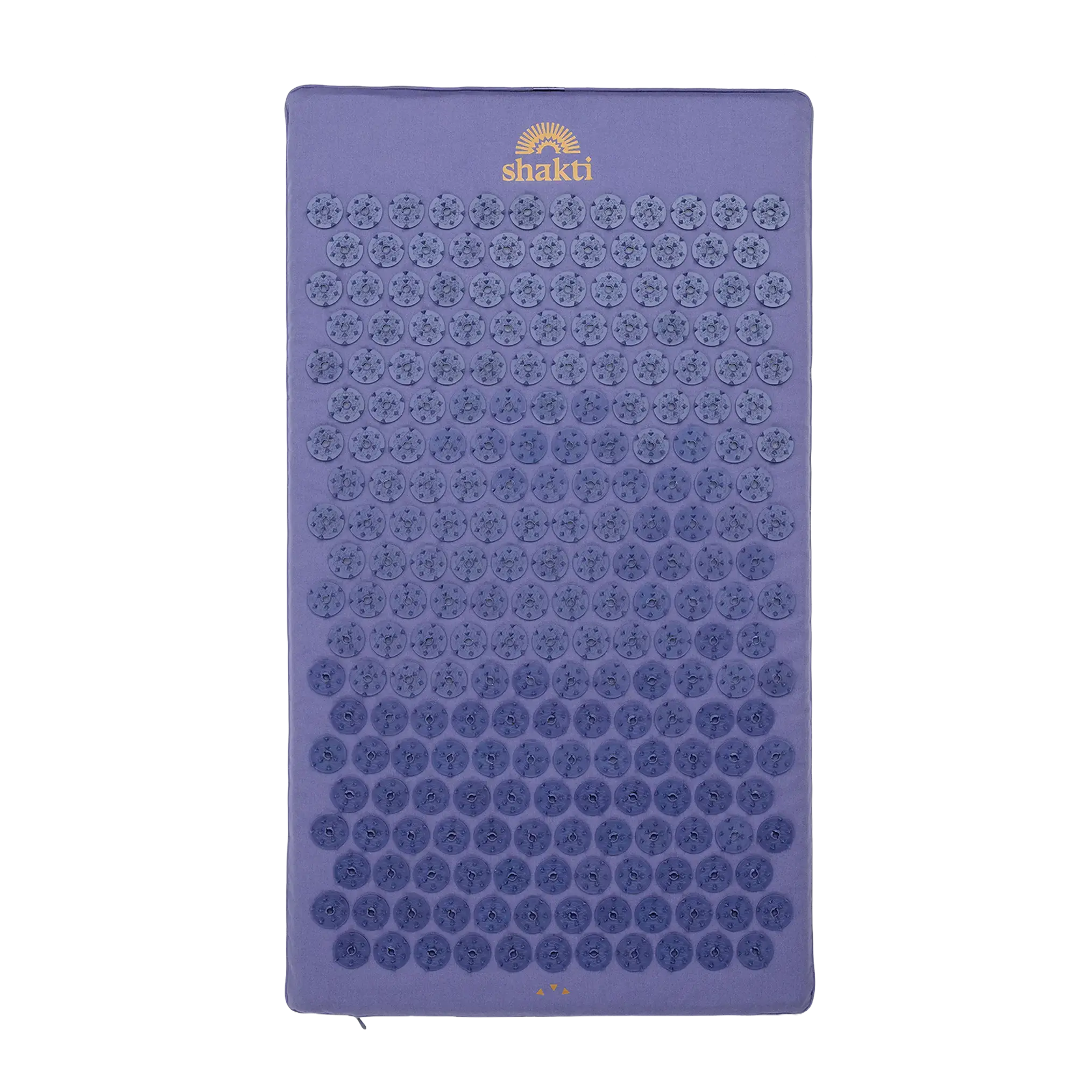
Release psychosomatic tension with the help of the acupressure mat
When it comes to psychosomatic pain, it’s important not only to address the triggers—such as stress and overexertion—but also to relieve the symptoms. With your acupressure mat, you can do both!
It offers you exactly the holistic self-treatment approach you need to relieve and prevent psychosomatic tension.
The principle of the acupressure mat goes back to the millennia-old art of acupressure and helps to improve the flow of energy in the body, remove blockages, reduce stress and restlessness and achieve deep relaxation. It also promotes blood circulation and ensures that muscles are completely relaxed.
You can lie or sit on the mat, depending on which part of the body you want to treat. Start with short sessions of about 10 minutes and gradually increase the duration. For the sessions, it is best to go to a quiet room, listen to soft meditation music and let the mat do its work.
When do psychosomatic symptoms disappear?
As you can imagine, the duration of psychosomatic symptoms varies from person to person. Some people notice improvement after only a few weeks of self-treatment. The important thing is to be patient with yourself and not give up. If the symptoms persist despite self-treatment, it is best to see a medical professional.

How to prevent tension due to stress
Stress management strategies play a crucial role in ensuring that you don't even have to worry about how to relieve psychosomatic tension.
If you learnto manage stress in a healthy way and actively reduce stressors in your daily life, it will have a positive effect on your overall mood and health.
Key factors in effective stress management include, for example:
- Relaxation techniques such as meditation, autogenic training, acupressure mat or yoga
- regular exercise in the fresh air
- the taking of short breaks
- Balanced diet with plenty of fruits, vegetables, whole grains and lean protein
- Sufficient sleep
- Time for hobbies and activities you enjoy
- Be mindful of your body and practice regular self-care
Remember: Preventing psychosomatic tension is an ongoing process, not a one-off event. It's about developing and maintaining healthy habits. Experiment and find out which strategies work best for you.
Bottom line: Psychosomatic tension doesn't go away on its own—but it's something you can easily treat yourself
Psychosomatic tensions are widespread and can significantly affect everyday life. Most often, they are caused by constant stress, which leads to the muscles being in a constant state of tension. Fortunately, you have the ability to effectively treat these ailments yourself and take an active role in your recovery process. Simple measures such as regular physical exercise, relaxation and stretching exercises, and consciously reducing stress can make all the difference. Last but not least, tools such as the acupressure mat can also help to relieve your psychosomatic tension and prevent it in the long term.
